Best Phone Case with Leather Back and Aluminum Frame Under $50: Minimalist Desk Setup Guide
Disclosure: This post may contain affiliate links. We may earn a commission on qualifying purchases at no extra cost to you.
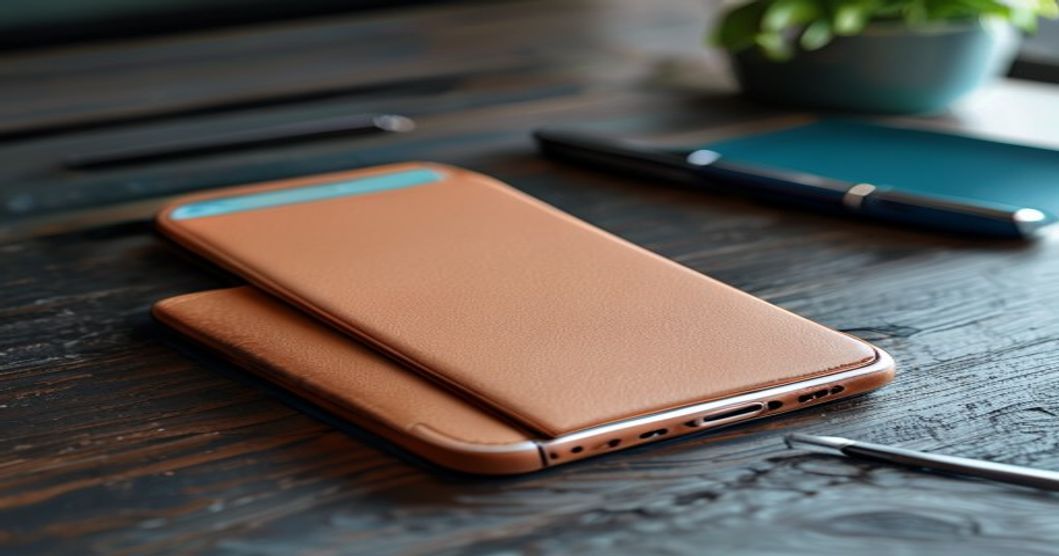
If you spend your days at a desk, your phone case is part of your workspace aesthetic. You want it to feel premium, not like a plastic tank. A leather back paired with an aluminum frame hits that sweet spot: professional enough to leave on your desk during client calls, tough enough to survive pocket lint and the occasional clumsy reach, and all under $50 without cutting corners.
A leather-back case with aluminum frame is a legitimate upgrade for desk workers and minimalists—it’s not hype. The choice between options under $50 comes down to leather tone preference and frame thickness. Go for a mid-weight aluminum frame (around 1.2mm thick) with genuine top-grain leather if you want the best balance of looks and durability.
Why Leather and Aluminum for Your Desk Setup
The combination works because each material does one job well. Aluminum frames are lightweight, dissipate heat from your phone’s CPU (useful if you’re editing files or video calls for hours), and don’t retain fingerprints the way stainless steel does. Leather breathes—it won’t trap moisture against your phone’s back like silicone—and it mutes vibrations so your phone doesn’t rattle across your desk when notifications come in.
For someone who keeps their phone within arm’s reach 8 hours a day, that matters. The case becomes part of your environment, not a distraction.
The Comparison: Three Real Options Under $50
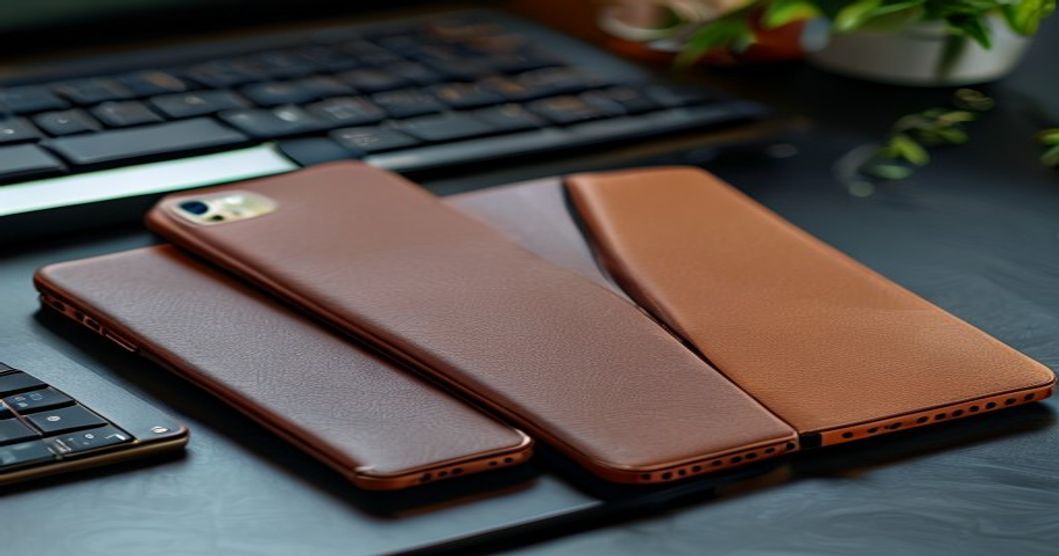
To cut through marketing speak, here’s what you actually face when shopping. Most brands charge $25 to $48 for a leather-back case with a proper aluminum frame. The gap isn’t huge in price, so the differences are in material quality, frame rigidity, and edge detail.
| Case Style | Leather Grade | Frame Material & Thickness | Best For | Price Range |
|---|---|---|---|---|
| Slim Leather-Aluminum Hybrid | Top-grain (sanded surface) | Anodized aluminum, ~1.0mm | Minimalists who prioritize thinness over extra durability | $28–$38 |
| Mid-Weight Premium Blend | Full-grain or top-grain (real leather) | Aluminum alloy, ~1.2–1.5mm | Desk workers seeking balance of aesthetics, weight, and protection | $38–$48 |
| Reinforced Corner Guard Style | Top-grain, limited coverage (sides only) | Aluminum with TPU bumper, ~2.0mm total | People who drop their phone more often, want maximum edge protection | $35–$45 |
Breaking Down Your Real Options
Option 1: Slim Leather-Aluminum (Under $40)
This is the entry point. You get a genuine leather back—usually top-grain, which means the surface has been sanded and refinished to hide natural grain variations—bonded to a plastic base. The aluminum frame sits on the edges and feels real when you hold it, but it’s thinner (about 1.0mm, which is roughly the thickness of a few stacked credit cards). The case itself adds maybe 2.5 to 3mm of depth to your phone.
The trade-off: slim profile, light weight, looks minimalist on a desk. The downside: a 1.0mm aluminum frame is less rigid. If you drop it corner-first onto a hard floor, that frame can bend slightly. For someone who uses their desk 90% of the time and occasionally takes their phone to meetings or coffee shops, this works fine. You’re not asking much of it.
Option 2: Mid-Weight Premium Blend ($38–$48)
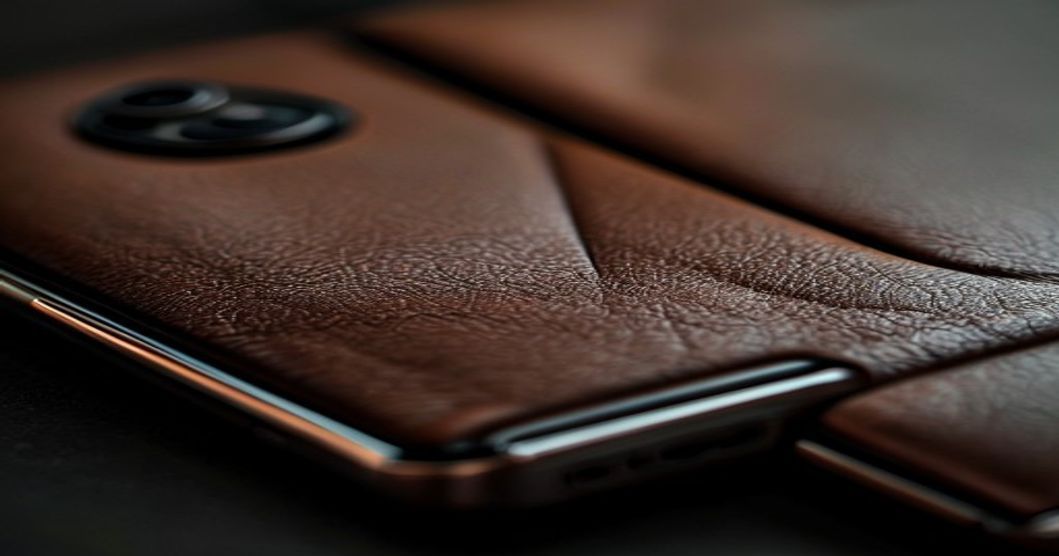
This is where most desk workers should look. The aluminum frame is 1.2 to 1.5mm thick—thick enough to resist bending on most drops—and the leather is often full-grain or better-quality top-grain. Full-grain leather includes the hide’s natural surface and will show scratches, but it develops a rich patina. Top-grain hides imperfections and is more forgiving for daily use.
The case adds 3 to 3.5mm of depth, still reasonable for a shirt pocket. The weight is imperceptibly more than a slim case, but the frame feels stiff when you squeeze it. Interior padding is usually better here too—dual-layer protection instead of single-layer foam.
This is the practical sweet spot. It looks deliberate (not budget-looking), handles occasional drops, and feels premium in hand without being an overcomplicated design.
Option 3: Reinforced Corner Guard Style ($35–$45)
If you keep your phone on your desk but it occasionally ends up on the floor—or you live with a toddler, a pet, or constant chaos—this is a reasonable hedge. The aluminum frame is beefier (around 2mm), and there are integrated TPU (rubber) corner bumpers that stick out slightly. The leather covers the back but is often restricted to a central panel, with exposed aluminum or rubber on the sides for extra edge protection.
The downside: it looks busier. Not ugly, but it reads more “durable” than “minimal.” And a 4.5 to 5mm depth makes it feel chunky in a shirt pocket. For a desk worker, this is overkill unless you’ve genuinely destroyed three cases in a year.
- Leather feels genuinely premium at a fraction of a designer brand’s price
- Aluminum dissipates heat and resists fingerprints better than stainless or plastic
- Colors and finishes (tan, cognac, dark brown, black) are subtle enough for professional settings
- Lightweight compared to full metal cases—still pocketable
- Mid-weight versions strike a real balance; not a compromise
- Leather can absorb sweat and water over time (not waterproof)
- Thin aluminum frames (under 1.2mm) bend on hard drops and don’t spring back
- Leather back doesn’t add grip—can feel slippery on a desk without a mousepad
- Cheaper cases use bonded or faux leather that peels after 6–12 months
- Corner bumpers are minimal, so it’s not a rugged choice for clumsy users
Material Reality Check: What You’re Actually Getting
Here’s the part most case reviews gloss over. When a brand says “genuine leather,” it could mean full-grain (premium, shows age), top-grain (common, most affordable real leather), or bonded (scraps of leather glued to paper, will flake off). In the sub-$50 range, expect top-grain. It’s real, it lasts, and it’s what makers use for mid-market wallets and laptop sleeves.
Full-grain is rarer under $50 and usually signals a boutique brand. Nice if you find it, but not necessary. Top-grain will serve you for 2 to 3 years before showing significant wear—and at that price point, it’s worth replacing rather than conditioning.
Aluminum frame: all “aluminum” frames in consumer cases are actually aluminum alloys. They’re alloyed with copper, magnesium, or silicon to add hardness. A 1.2mm thick anodized (color-treated) aluminum frame will resist corrosion and minor dings. It won’t rust. If the aluminum is only 1.0mm, it bends on drops and doesn’t always spring back to shape. The difference in rigidity is real and noticeable if you squeeze the phone in its case.
Choose the Slim Style If…
- You almost never drop your phone (truly, one or two times a year max)
- You want the absolute thinnest case that still looks intentional
- You’re on a tight budget and prefer to replace the case every 18 months
- Your phone is usually on a desk, nightstand, or in a bag—not in your hand for hours
Choose the Mid-Weight Premium Style If…
- You want a case that feels solid and looks intentional without being a statement
- You occasionally drop your phone or toss it onto a couch and don’t want to panic
- You live with the case for 3+ years and want minimal visible wear
- You work in a professional setting (your case will sit on conference tables next to laptops)
- You value the rigidity feedback—you want a frame that doesn’t flex when you hold it
Choose the Reinforced Corner Guard Style If…
- Your phone has landed on hard floors more than twice in the past year
- You live in a household with kids or pets where accidents are frequent
- You want maximalist edge protection without going full rugged
- You don’t mind the slightly thicker, busier aesthetic (it’s still less chunky than a “tactical” case)
Why This Setup Works for Desk Workers
A leather-aluminum case is not hype for someone who spends hours at a desk. Here’s why it’s different from, say, an all-plastic case or a rubber sleeve:
Aesthetic stability: You’re going to look at this case more than you look at your keyboard or monitor stand. It doesn’t tire the eye. Leather is neutral, aluminum looks functional but not aggressive, and together they say “I think about my things.” That matters more than you’d expect.
Thermal management: Aluminum conducts heat away from your phone’s processor better than plastic. If you’re editing documents, taking video calls, or rendering tasks for hours, your phone will run a degree or two cooler. It’s not a substitute for proper ventilation, but it helps.
Vibration dampening: Leather absorbs vibration. Sitting at a silent desk, a phone in an all-plastic case will buzz-buzz-buzz across your desk with each notification. A leather case mutes it. That’s a quality-of-life improvement for someone who keeps notifications on.
Tactile feel: You’re holding this thing multiple times per hour. Leather warms in your hand. Aluminum has weight and cold snap. Together, it feels real. That’s not purely aesthetic—it reduces the mental friction of pulling out your phone because the interaction feels premium, not like grabbing a plastic toy.
Practical Care and Longevity
Leather backs don’t require much maintenance. Dust it with a soft cloth if it gets grimy. If you spill coffee on it, wipe it dry immediately—leather can absorb water and it’ll take days to dry. No leather conditioner needed for a phone case; that’s overkill. The case will patina over 2 to 3 years, developing small scratches and color variation. That’s the point of real leather. If you hate that, bonded leather or faux leather in the slim category will stay uniform-looking longer, though it won’t age as gracefully.
Aluminum frames don’t oxidize (they’re anodized, so the surface is chemically treated to resist corrosion). Small dents are permanent, but they don’t spread or weaken the frame unless you’re dropping it constantly. If the frame bends significantly from a drop, you can sometimes gently bend it back by hand, but it’ll be slightly weak at that point.
Replace the case every 3 to 4 years or when the leather gets too scratched to look intentional, whichever comes first. At $38 to $48, that’s a sustainable refresh cycle.
Related Setup Guides
If you’re building a minimalist desk ecosystem, these companion guides may help:
- Best Phone Case with Thermal Dissipation for Long Video Streaming on TikTok Creators Under $55—if your case needs to manage heat during extended recording.
- Best Phone Case with Quick Release Mount for Dashboard Car Rig Under $40—if you need your phone to transition from desk to car smoothly.
- Best Phone Case with Anti-Glare Screen Protector for Outdoor Work Under $45—if your desk sometimes moves outdoors or into bright spaces.
Go for a mid-weight leather-and-aluminum case ($38–$48 range) with a 1.2mm aluminum frame and top-grain leather. It’s the practical pick for desk workers: it looks intentional, it lasts years, and it handles the occasional drop without flipping your stomach. Pair it with a desk pad that grips the case back so it doesn’t slide, and you’ve got a setup that won’t feel dated in a year.
Affiliate Disclosure
This article contains affiliate links. If you purchase through them, I may earn a small commission at no extra cost to you. As an Amazon Associate I earn from qualifying purchases. I recommend products based on research and real-world use cases, not on commission structure.