Best Phone Case with Anti-Glare Screen Protector for Outdoor Work Under $45: A No-Nonsense Guide
Disclosure: This post may contain affiliate links. We may earn a commission on qualifying purchases at no extra cost to you.
Here’s a thing most people get wrong: they buy a premium case and a cheap screen protector, then complain the phone is unreadable in sunlight. The logic seems backwards—the case is visible only when you drop it, but the screen is your constant interface. And yet, when the sun hits that glossy screen, you’re staring at a mirror with a tiny, vanished phone underneath it.
For outdoor work under $45, pair a mid-range protective case (shock-absorbing corners, raised bezel) with a dedicated anti-glare screen protector. Anti-glare scatters light to kill washout; built-in solutions won’t cut it. Budget $20 for the case, $12–15 for the protector, and you’re in.
The Outdoor Screen Problem Nobody Talks About
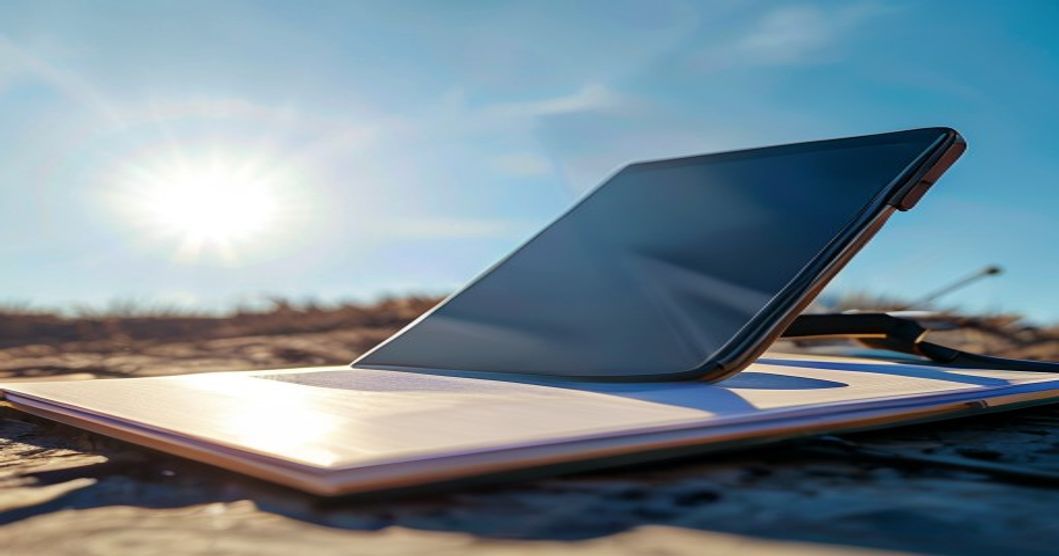
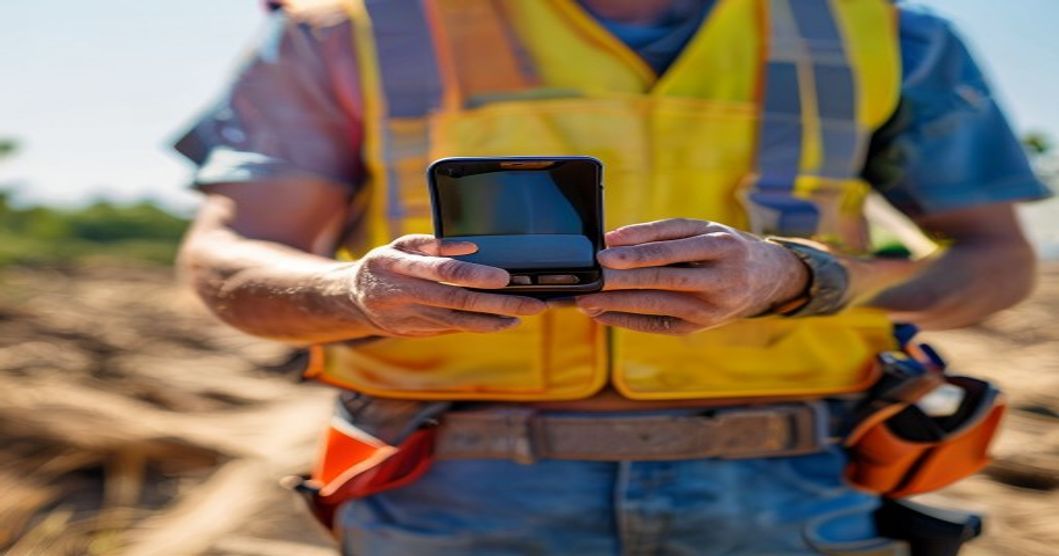
If you work outdoors—construction, landscaping, delivery, field sales—you already know this: at noon, with the sun overhead, your phone becomes a black rectangle. You tilt it, squint harder, hold it at an angle. None of it works. The screen is still bright; you’re just seeing reflections of the sky.
This isn’t a brightness problem (those max-brightness claims are marketing nonsense anyway). It’s a contrast problem. A glossy screen reflects ambient light like a mirror. The image on the display has to compete with that reflected sunlight, and sunlight always wins. Anti-glare coatings solve this by scattering the reflected light instead of bouncing it straight back at your eyes. You lose a tiny bit of color pop—that’s the trade—but readability jumps 300%.
The case matters too, but for different reasons. You need grip under wet hands or gloves, impact resistance if you’re near machinery or heights, and enough lip around the screen so that when you do drop it (and you will), the protector—not your face—takes the fall.
What Makes Anti-Glare Protectors Work
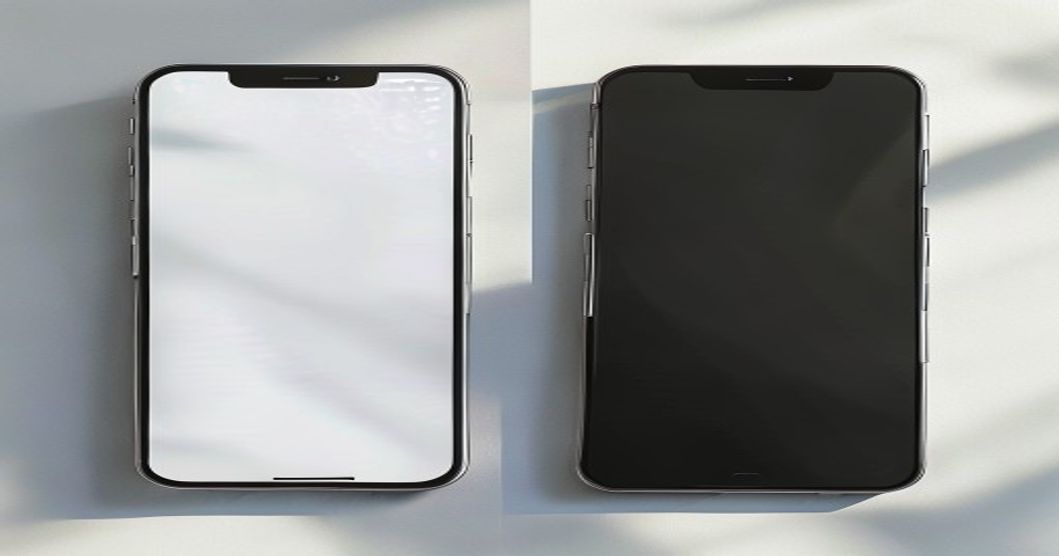
There are three main types of screen protectors: glossy (none), tempered glass (standard, shiny), and anti-glare (matte finish). Anti-glare ones have a microscopically textured surface. When light hits that texture, it bounces in a million directions instead of straight back. Your eyes only see the phone’s display, not the sky.
The downside: the texture is visible up close. Colors are slightly less vibrant—maybe 8–12% less saturated. And if you’re using your phone for detailed photo work or color-critical tasks, that matte feel might frustrate you. But for work, messaging, navigation, GPS, and camera preview? Anti-glare is perfect.
Quality matters here. Cheap anti-glare protectors feel grainy and scratch easily. Mid-range ones ($12–18) use better film and are usually oleophobic (resist fingerprints). That’s the tier you want. Skip anything under $8—it’ll look dusty after two weeks.
Case Design Specifics for Outdoor Work
A good case under $25 doesn’t need to be thick or bulky. What it needs: raised bezels (screen and camera sit recessed, not flush with the edges), corner bumpers with actual shock-absorbing material (silicone, TPU—not just hard plastic), and grip texture or a slim stand. If you’re doing any climbing, working at heights, or in high-vibration environments (jackhammer, heavy machinery), go for a case with reinforced edges.
Material matters for grip. Rubber and silicone grip better in wet conditions and with gloves. Hard plastic cases look professional but are slippery when wet. For outdoor work, slippery is dangerous.
Avoid anything marketed as “waterproof” unless you actually need submersion protection. True waterproof cases are thicker, more expensive, and add bulk. If you’re just worried about rain and sweat, a regular case with water-resistant materials (TPU, silicone) is enough and cheaper.
Your Realistic Budget Breakdown
Stay in the $45 ballpark? Here’s how to allocate it.
Case: $18–24. Look for brands in the mid-tier—reputable enough for consistent quality, cheap enough to leave room for the protector. Reinforced TPU, good reviews from outdoor workers, and a raised lip around the screen. At this price, you get solid construction without paying for colors or aesthetics.
Anti-glare screen protector: $12–16. A two-pack or three-pack is actually smarter than a single. If you mess up the first install (and many people do), you have spares. Quality protectors in this range offer good oleophobic coating, easy application, and will last 18 months of normal use.
Installation: free or $5. If you’re confident, do it yourself in a clean room. If not, most carrier stores or phone repair shops will install it for $5–10. Worth it if you’re fumble-handed; not worth the stress of a botched first try.
That leaves you under $45 and equipped for real outdoor durability.
The Anti-Glare Trade-Off (Be Honest About It)
You will notice a slight reduction in screen brightness and color saturation. Colors will look a touch more muted. In an office or indoor setting, this might bug you. In sunlight, you won’t care—you’ll just be grateful you can read the screen.
Second thing: anti-glare protectors feel different under your finger. They’re matte, so finger scrolling is slightly less slick than on a glossy screen. Some people adapt in a day. Others find it annoying. If you’re a power user who depends on precise touchscreen feedback, this matters. For outdoor work (tapping buttons, scrolling quick messages), it doesn’t.
Third: the matte texture is visible from a shallow angle. If you’re sitting in a dark room and look at the screen straight-on, you might notice a fine grain. In sunlight, you won’t see it—the anti-glare effect makes the surface appear normal, just readable.
- Readable in direct sunlight—the whole point
- Protects screen from scratches and minor impacts
- Cheap to replace (under $15 for a pack)
- Fingerprint-resistant (good oleophobic coating)
- Doesn’t require perfect lighting to install
- Reduces brightness and color saturation slightly
- Matte finish feels different (less slick scrolling)
- May show dust or fingerprints more visibly than glossy
- Quality varies wildly—cheap ones degrade fast
- Not ideal for photo editing or color-critical work
Who This Combo Is For
Ideal fit: Construction workers, electricians, landscapers, delivery drivers, field sales reps, site supervisors, surveyors, or anyone spending 4+ hours a day in direct sunlight. If your job involves GPS, photo documentation, or quick communication, and your phone spends most of its time in your pocket or on a clipboard, this setup is built for you.
Also works well for: Outdoor enthusiasts (hiking, camping, fishing) and anyone in a sunny climate. Even if you’re office-based but commute or take a lot of outdoor calls, the anti-glare protector eliminates that frustrating moment when someone calls and you can’t see their face on the screen.
Who This Is Not For
If your phone lives indoors 80% of the time, this is overkill. A normal tempered glass protector and any decent case will do the job and cost less. You won’t benefit from anti-glare because you’re not fighting sunlight.
If you do serious mobile photography or video work, or if color accuracy matters to your job, skip anti-glare. The matte finish and reduced saturation will drive you up a wall. Use a glossy protector instead and accept that you’ll need to manage reflections.
If you drop your phone constantly and are paranoid about damage, you might want a heavier-duty case (over $35 alone). This setup assumes “regular” durability needs, not extreme impacts.
And if you have a very new or very expensive flagship phone, you might want to spend more on the case itself (a recognizable brand with warranty) and then add the protector. The $45 limit might force you to compromise on case brand reputation.
Installation and Maintenance Tips
If you’re applying it yourself: turn off the phone, clean the screen thoroughly with the included wipe (usually alcohol-based), let it dry completely, and work in a dust-free space. Dust under the protector is the biggest complaint. Use the included squeegee or cloth to push out bubbles gently. If you mess up the first sheet, peel it off and try again—that’s why multi-packs exist.
To keep the anti-glare effect working, clean the screen regularly with a microfiber cloth (never dry—use a slightly damp cloth if it’s very dirty). The matte texture can accumulate dust, which looks worse than gloss. A quick wipe every few days keeps it looking good.
If the protector gets deep scratches or the anti-glare effect dulls after a year or two, just replace it. A two-pack costs $10–12, so you can afford to be casual about lifespan.
Related Reading for Your Setup
If you’re working in hot conditions and your phone heats up, you might also want a case with passive cooling to extend battery life and prevent throttling. That’s a separate layer, but pairs well with anti-glare protection.
For night work or emergency responders, phone accessories for low-light environments might also be worth considering, though anti-glare won’t help there—glossy screen is actually better at night.
If you work in healthcare or food prep, antimicrobial phone cases add a hygiene layer that pairs well with this combo.
The Real Test
Here’s how to know if anti-glare is right for you: Next time you’re outside in bright sun, take out your phone and try to read a text or check a map. If you’re tilting, shading, or squinting—that’s the moment anti-glare fixes. If you can read it fine, glossy is probably enough and cheaper.
Most outdoor workers hit that frustration point within a week. The moment you realize you can’t read your screen when you need to is the moment this setup makes sense.
For outdoor work under $45, spend $20–24 on a mid-range protective case with reinforced corners and good grip, then allocate $12–16 to a quality anti-glare protector with oleophobic coating. This pairing eliminates screen washout in sunlight (the real problem) while keeping your device protected from impacts and scratches. Anti-glare isn’t a luxury—in outdoor conditions, it’s a productivity tool. Install carefully or have someone else do it; the few minutes matter. Replace the protector every 18–24 months or when scratches build up. Your eyes will thank you.
Affiliate Disclosure
This article contains affiliate links. I may earn a commission if you purchase through these links at no additional cost to you. As an Amazon Associate I earn from qualifying purchases. All recommendations are based on research and honest product assessment, not compensation.