Best Phone Cases 2024: Top Picks for Protection & Style
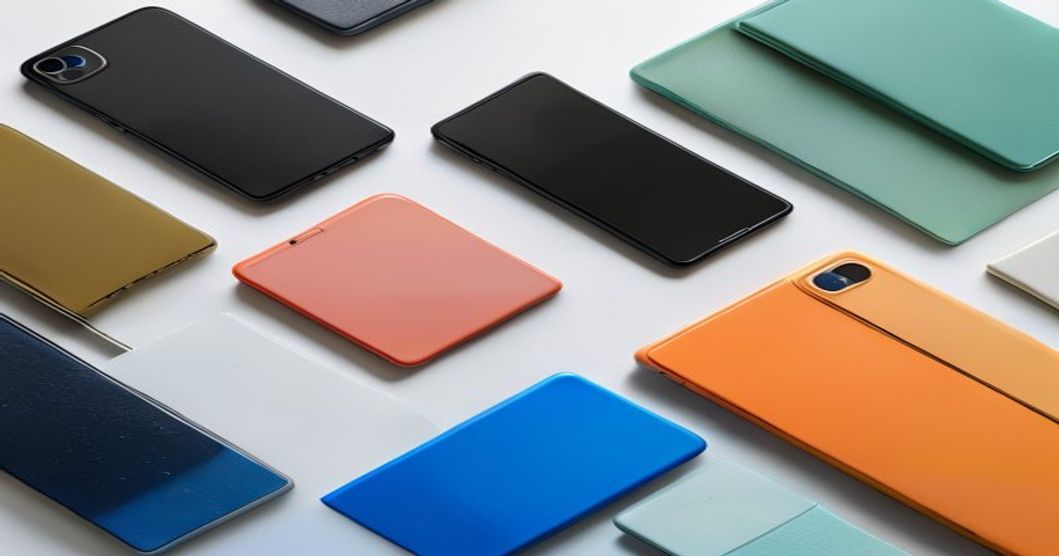
Your phone is one of your most valuable daily tools—and one of the easiest to damage. A quality phone case isn’t just an accessory; it’s insurance against drops, scratches, and the unexpected tumble that happens to everyone. Phone cases vary widely in quality and durability, with noticeable differences in how well they hold up over time.
Top Picks at a Glance
Best Overall
Combines a rigid outer shell with a shock-absorbing interior layer. Ideal for anyone who drops their phone regularly or needs confidence their device survives serious falls. The sweet spot between protection and everyday usability.
Best for Style
Genuine leather or durable canvas wrapped around protective cores. Best for professionals and style-conscious users who want their phone to look as good as it functions. Develops a unique patina over time that synthetic cases never achieve.
Best Value
Thin polycarbonate shells offering modest protection without adding noticeable thickness. Perfect if you want basic scratch and minor drop protection while keeping your phone as slim as possible. Often among the most affordable options available.
Understanding Phone Case Materials & Protection Levels
Not all cases are created equal, and understanding the materials behind them helps you pick the right one for your lifestyle. Let me break down what you’re actually buying:
TPU (Thermoplastic Polyurethane)
TPU is flexible, absorbs shock reasonably well, and is the foundation of most hybrid and budget cases. A known limitation: clear TPU cases can discolor when exposed to prolonged sunlight and UV rays. If you prefer cases to maintain crystal-clear appearance long-term, this is worth considering. TPU cases offer excellent grip and are nearly impossible to crack during normal use.
Polycarbonate (Hard Plastic)
This rigid plastic is thin, lightweight, and provides a sleek appearance. It transfers shock less effectively compared to TPU, so it’s better suited for light protection rather than serious drops. Polycarbonate cases scratch more easily than rubber or leather, but they’re inexpensive to replace and often available in numerous colors and patterns.
Leather & Canvas
Premium cases often use genuine leather or high-grade canvas. These materials look professional, age beautifully, and provide decent grip without being bulky. The trade-off: they offer less shock absorption than rubber-based hybrids, so they’re better for people who take reasonable care of their phones rather than those who drop them frequently. Leather cases also benefit from occasional conditioning to maintain suppleness.
Metal & Aluminum Frames
Metal accents look premium and provide structural support at edges where drops often occur. However, metal conducts heat and can potentially interfere with wireless charging (an increasingly important consideration). Pure metal cases are rare today; most combine aluminum frames with TPU or plastic backs for improved balance.
Key Features to Compare When Shopping
| Feature | What It Means | When It Matters Most |
|---|---|---|
| Drop Protection Rating | Usually tested from various heights. Some brands reference military-grade or industry standards. | If you have kids, work in construction, or are simply clumsy. |
| Grip & Texture | Matte finishes and rubberized edges reduce accidental drops from slipping hands. | If you use your phone one-handed or have smaller hands. |
| Wireless Charging Compatibility | Thin cases work fine; very thick or metallic cases may block or slow charging. | Essential if you use a Qi charger. Check before buying thicker protective cases. |
| Screen Bezel Height | Raised edges protect screen when laid face-down. Aim for height slightly higher than the screen glass. | Helps prevent costly screen repairs from edge impacts and face-down tumbles. |
| Button Responsiveness | Some cases have mushy buttons that are frustrating to press. Quality cases preserve tactile feedback. | You interact with buttons thousands of times. Poor button feel becomes annoying quickly. |
| Cutout Precision | Misaligned cutouts for ports and cameras look cheap and trap lint. | A sign of overall quality. Precise cutouts mean the case was made to fit YOUR specific phone model. |
Case Types: Choosing by Lifestyle
For Heavy-Duty Protection: Hybrid & Armor Cases
These cases feature a rigid outer shell with inner TPU or foam layers that absorb shock. They’re bulkier than alternatives but excel at surviving serious drops. Look for raised camera rings and screen bezels. These typically cost in the $20–$50+ range and can last 1–3+ years depending on usage intensity.
For Office & Professional Settings: Leather & Premium Cases
Slim leather or canvas-wrapped cases convey professionalism and age gracefully. They don’t stand out in a boardroom meeting and actually feel good in your hand. They offer modest drop protection (not suitable if you’re accident-prone) but good scratch resistance. Quality leather cases typically range from $30 and up. Leather can develop a rich patina as it ages, provided it’s properly maintained.
For Travel & Active Use: Weatherproof & Rugged Cases
Some cases include water-resistant seals, reinforced corners, and kickstand features. Ideal for hiking, outdoor work, or travel where your phone might face dust, sand, or unexpected moisture. These usually cost $20–$60+ and feel overly protective for everyday city use, but that’s by design—they’re built for adventure.
For Minimal Design: Clear & Slim Cases
Want to show off your phone’s original color? Clear polycarbonate cases showcase your device while providing basic scratch protection. Note: most clear cases may discolor or yellow with prolonged sunlight exposure. If aesthetics matter more than pristine clarity long-term, they’re worth considering. Prices typically range from $10–$25.
Common Case Mistakes to Avoid
Assuming all protective cases are equal: Cases at different price points vary significantly in material quality, durability, and how they feel in your hand. More expensive options often provide better longevity.
Buying before checking wireless charging compatibility: If you use a wireless charger, consider case thickness. Many protective cases may impact how efficiently standard Qi chargers work.
Neglecting camera cutouts and speaker openings: Poorly designed cutouts let dust and lint enter your phone. Check reviews specifically mentioning fit quality before ordering.
Ignoring grip texture: A glossy case that looks sleek in photos can be surprisingly slippery in real life. Matte and textured finishes reduce accidental drops—a worthwhile sacrifice for appearance.
Choosing purely on price: The cheapest cases may fail more quickly. Mid-range options typically offer better value, balancing protection, durability, and cost.
Comparison: Key Case Categories
| Case Type | Protection Level | Style & Feel | Best For |
|---|---|---|---|
| Hybrid | Excellent | Thick, utilitarian | Clumsy users, construction workers |
| Leather | Moderate | Premium, elegant | Professionals, careful users |
| Clear/Slim | Basic | Minimal, lightweight | Style-focused, light users |
| Rugged | Maximum | Bulky, tactical | Outdoor enthusiasts, rugged use |
Material Durability & Longevity
One question I get constantly: how long does a phone case actually last? The answer depends on material and how intensively your phone gets used and abused.
TPU-based hybrid cases typically show visible wear over time. With heavy use or frequent drops, interior cushioning may become less effective.
Leather cases can last several years or longer if properly maintained. Genuine leather becomes softer and more attractive with age. The downside: leather is more prone to edge damage and scratches, so it’s less suitable for high-impact users.
Hard polycarbonate cases are long-lasting structurally but show scratches easily. They’re inexpensive enough that replacing one periodically isn’t a major expense.
Metal-frame cases maintain their appearance longest but provide less shock absorption, so they’re a trade-off between aesthetics and protection.
For budget-conscious buyers, replacing a more affordable case periodically beats spending significantly more on a premium case that may only last slightly longer.
Budget Breakdown: What to Spend
- Under $15: Basic protection. Works for light use and less accident-prone users. May have shorter lifespan and fewer material options.
- $15–$35: Value-oriented range. Generally offers better quality, more material choices, and reasonable durability.
- $35–$65: Premium materials like genuine leather or advanced hybrid construction. Typically lasts longer and offers more refined aesthetics, but may be unnecessary for casual users.
- $65+: Designer or specialty cases. Best for those prioritizing specific features or aesthetics that justify the premium.
Where to Buy & Finding Current Stock
The right phone case for your needs exists, but availability changes frequently based on phone model releases and seasonal trends. Here’s where to check:
General retailers: Amazon and similar platforms offer wide selection and easy returns, which matters since fit and feel vary by person. Check verified purchase reviews mentioning your specific phone model.
Brand-specific stores: Manufacturers like Apple, Samsung, and OnePlus sell official cases, though they typically cost more than third-party alternatives.
Specialty mobile accessory shops: These stores usually let you hold and feel cases before buying—invaluable for assessing grip and thickness.
Related reading: If you’re setting up a complete protection ecosystem, check our guide on Best Wireless Chargers 2024: Top Picks for Every Phone to ensure your case choice works with your charging setup.
The Real-World Test: How Cases Perform
After observing how cases perform in daily life and real-world use, certain patterns emerge:
Hybrid cases generally provide good drop protection. The cushioning and design tend to reduce impact compared to basic cases.
Leather cases often give an impression of heavy protection but offer modest shock absorption. They excel at preventing scratches, which is valuable for maintaining appearance.
Clear cases may discolor faster than dark-colored counterparts. If maintaining clear appearance long-term matters, plan accordingly.
Button responsiveness can change over time in most cases. The rubber or silicone buttons may wear with extended use. It’s not a deal-breaker, but it’s noticeable.
Lint and dust accumulation happens in cases with tight fits. Precision cutouts matter for keeping your phone interior cleaner.
- Help reduce screen and body damage from drops
- Improve grip, reducing accidental slips
- Preserve phone resale value by preventing scratches
- Wide aesthetic choices to match personal style
- Inexpensive insurance compared to repairs
- Some cases offer additional features (kickstands, card slots)
- Add thickness and weight to your phone
- Can interfere with wireless charging (check compatibility)
- TPU cases may discolor over time when exposed to UV
- Need replacement periodically as materials degrade
- May feel bulky if you prefer minimal design
- Quality cases typically cost $20 and up, not impulse-purchase territory
Final Thoughts: The Case Matters More Than People Think
A phone case isn’t glamorous—it’s background protection that only becomes visible when you need it. But that’s exactly why it matters. The moment your phone hits concrete and remains unscathed, you’ll appreciate the protection you invested in.
Your choice ultimately comes down to three questions: How clumsy are you? How much do you care about appearance? What’s your budget? Honest answers to those questions will guide you to a case you’ll be satisfied with.
Don’t overthink it. A mid-range hybrid case offers a good balance of protection, durability, and usability for most people. If you need more style, consider leather. If you need maximum protection, go hybrid. If you’re careful and budget-conscious, slim cases work fine. There’s no single “best” case—only the best case for you.
The best phone case balances your lifestyle, protection needs, and aesthetic preferences. For most users, a quality hybrid case in a mid-range price point delivers good drop protection, durability, and everyday usability. If you value style over maximum protection, premium leather cases can develop character over time with proper care. Browse current options on Amazon (as an Amazon Associate I earn from qualifying purchases) to see verified reviews from users with your phone model—that’s an effective way to narrow down your choice.
Affiliate Disclosure: This article contains affiliate links to Amazon. As an Amazon Associate I earn from qualifying purchases. I only recommend products and categories I genuinely believe offer good value. All opinions are my own and based on observing mobile accessories in real-world use.