Best Phone Lens Filter Kit: Complete Buying Guide for Mobile Photography
Disclosure: This post may contain affiliate links. We may earn a commission on qualifying purchases at no extra cost to you.
You’re standing in golden-hour light, phone in hand, and the scene looks stunning in person—but the glare off the water is washed out in your shot. You bump up the exposure and the sky blows out. Sound familiar? A quality phone lens filter kit actually solves this. It’s not a gimmick; it’s a real tool that addresses what smartphone cameras physically can’t handle on their own.
Top Picks: Recommended Phone Filter Kit Types
Best Choice
Shoot video or outdoor photos regularly? This is what you need. A polarizing filter cuts water and sky glare while deepening colors. A variable ND filter lets you control exposure in bright daylight and dial in shallow depth-of-field video effects. Two filters, ninety percent of real-world needs covered.
Check Current Options →
Best Value
Traveling or just shooting casually? A lean kit with a CPL (circular polarizer), basic ND, and a pouch keeps weight down and costs under $50. Magnetic mounting means you clip and shoot. No fussing with installation.
Premium
Buying once and keeping it for years? Go with brands that publish their lens coatings and glass type (multi-coated, BK7). You’ll get sharper images with less color shift. Higher price tag, but your phone’s optical performance stays intact.
How Phone Filters Actually Work (And Why Cheap Ones Disappoint)
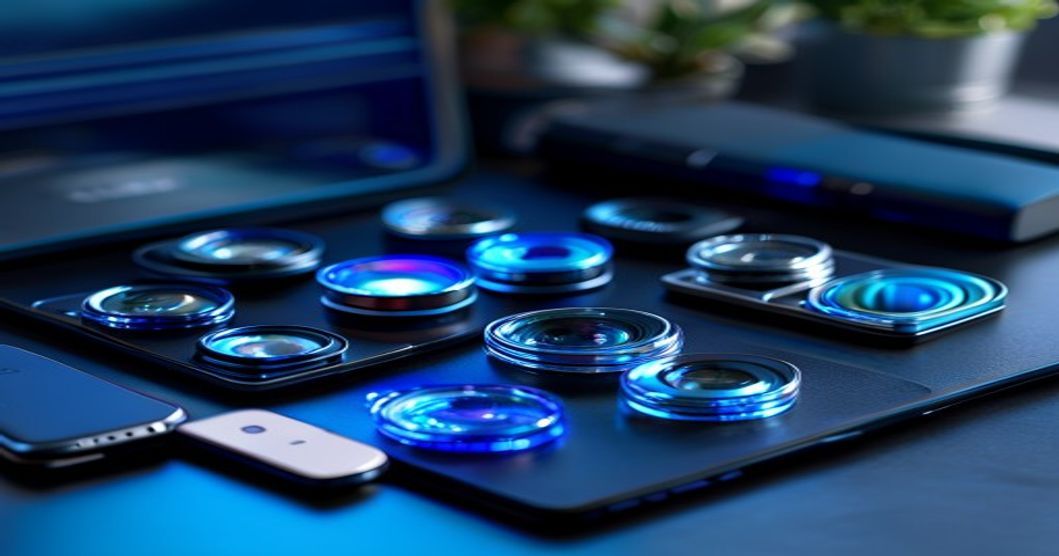
Here’s what you’re actually buying: optical glass glued into a metal ring, held to your phone via magnetic clip or adhesive. Simple setup, huge quality variance.
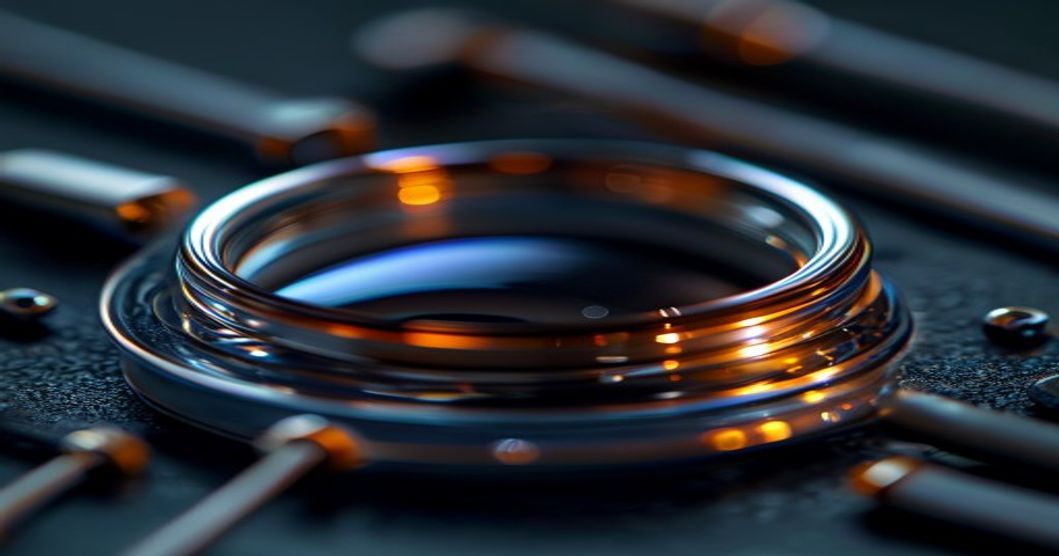
The optical glass is everything. Uncoated or single-coated glass creates reflections, color casts, and soft photos. Multi-coated glass (anti-reflection coatings on both surfaces) transmits light cleanly and keeps sharpness intact. Cheap kits skip this step. You end up with washed-out looking photos or an odd color tint. It’s not obvious at first glance, but side-by-side comparison? You’ll see it.
The mounting system affects how much you’ll actually use it. Magnetic rings are convenient but can slide if your phone gets bumped. Adhesive-mounted rings stay put (one-time installation, permanent placement). Some kits use a case that houses the ring—best hybrid option, though bulkier. No perfect answer here.
Filter count is overrated. Most people use CPL (polarizer), variable ND, and maybe a basic ND. That’s it. UV and skylight filters don’t do much for digital sensors. Macro, wide-angle, and fisheye attachments rarely improve actual photos. Ten-filter kits look great in product listings but most filters collect dust. You’ll notice.
Key Specs to Compare
| Specification | What It Means | What Matters for Phones |
|---|---|---|
| Glass Coating | Reflection reduction (single, multi, broadband) | Multi-coated = sharper, no color shift. Single-coated = acceptable. Uncoated = avoid. |
| Glass Type | Material (BK7, borosilicate, etc.) | BK7 is standard quality. If they don’t list it, assume budget optical glass. |
| Mounting Type | How it attaches (magnetic, adhesive, case) | Magnetic = easiest swap. Adhesive = most secure. Case = bulkiest but most flexible. |
| Filter Diameter | Ring size in mm (e.g., 37mm, 46mm) | Phone kits usually range from 32–52mm. Must fit your phone’s lens width. Larger sizes = higher vignetting risk on wide-angle lenses. |
| ND Filter Range | Light reduction (ND2 to ND32, or variable ND2–ND400) | Variable ND is more practical for phones. ND2–ND8 covers most daylight video work. |
| Included Filters | CPL, ND, UV, macro, wide-angle, etc. | CPL + variable ND address most needs. Avoid mega-kits with novelty filters you won’t use. |
Common Pitfalls and How to Avoid Them
Vignetting (dark corners). The filter ring or mount blocks part of your phone’s lens. Ultra-wide-angle cameras are most vulnerable. Check buyer reviews for your specific phone model before buying. Kits designed for your phone will have tested the fit.
Color cast. Budget filters introduce a slight yellow or blue tint. You’ll catch it comparing photos with and without the filter. Mid-range and premium kits (brands listing multi-coating) minimize this. Worth avoiding filters where color shift shows up in reviews.
Magnetic ring drift. Magnetic clips can slide or rotate when you’re actively using the phone. Adhesive-backed rings prevent this but require one-time installation. Case-based systems are safest if you swap phones frequently.
Novelty filter bloat. A ten-filter kit sounds complete until you realize CPL and ND are your workhorses. Macro, fisheye, and gradient filters often go unused. Start lean and expand only after you’ve actually used the core filters regularly.
Installation and Real-World Use
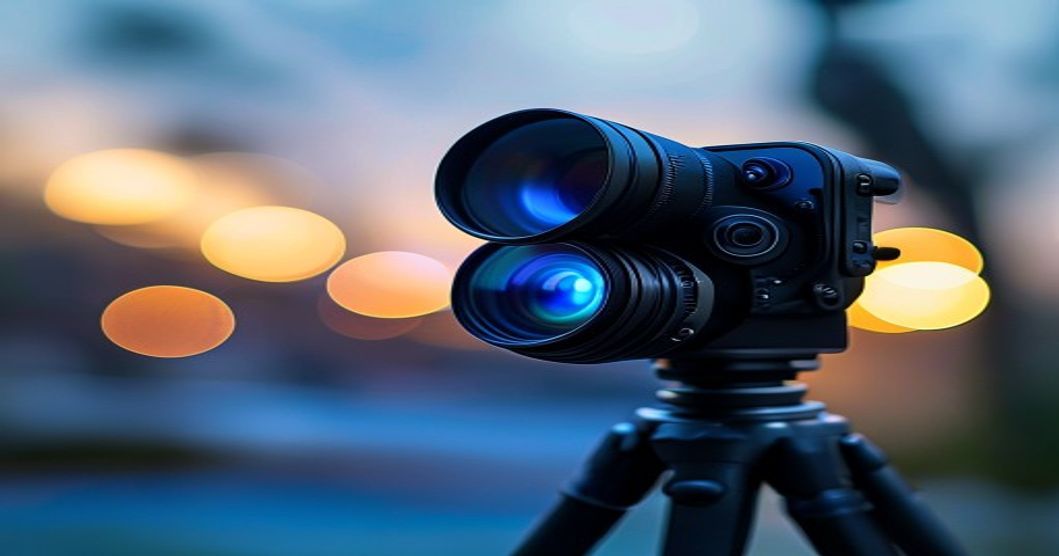
Installation takes a few minutes, tops. Magnetic systems: clip the ring to your phone’s lens area, align, snap the filter on. Adhesive rings: clean your phone back, carefully position the ring around the lens, press and hold. Don’t rush adhesive installation—it’s permanent. A misaligned ring is annoying.
The magnetic ring adds minimal bulk. If you’re also using a phone grip ring (we’ve written about MagSafe vs. pop sockets vs. loop handles), check that the filter ring and grip don’t interfere. Some combinations work smoothly. Others force you to pick one or the other.
For video, the CPL filter’s impact is immediate—glare vanishes and colors deepen. The variable ND filter is subtler. You’ll notice it most when chasing shallow depth-of-field in bright daylight (that blurred background effect). Bright sun normally forces your phone to stop down the aperture, killing that look. An ND filter fixes it.
Comparison: Magnetic vs. Adhesive vs. Case-Based Mounting
- Magnetic: Instant swap, ultra-portable, works on any phone once ring installed
- Adhesive: Permanent, no wobble or slip, lightest weight
- Case-based: Works with multiple phone models, most secure, hybrid flexibility
- Magnetic: Can slide or rotate during active shooting, requires more hardware to carry
- Adhesive: One-time installation, problematic if you switch phones, difficult to reposition
- Case-based: Bulkier, may block other accessories, slower filter swaps
For most people, magnetic is the practical choice. Convenience outweighs the minor security trade-off. If you prioritize stability or rarely change phones, adhesive makes sense. Case-based systems are worth considering only if you regularly swap between multiple phone models.
Who It’s For (and Who Should Skip It)
You’re a good fit if: You shoot outdoors regularly, record video in daylight, want to improve color saturation and reduce glare without relying on editing, or are curious about your phone camera’s actual optical limits. You don’t need to be a photographer—basic phone photography with noticeable improvement is the bar.
You should skip it if: You mostly shoot in controlled indoor lighting, edit heavily in post-processing (filters matter less if you’re already adjusting shadows and saturation extensively), use your phone mainly for quick casual shots, or you change phones frequently and don’t want to deal with attachment logistics.
Budget Expectations
Budget options ($10–15) cut corners on glass quality and mounting security. You get noticeable color shift or soft focus. Mid-range kits (roughly $25–50) hit the sweet spot—decent multi-coated glass, reliable magnetic mounting, and 2–3 filters that actually get used. Premium kits ($60 and up) offer excellent glass, hardcases, and professional construction, though most phone photographers won’t extract proportional value from the extra cost.
Smart move: start with a mid-range CPL + variable ND kit. If you’re shooting regularly and want more, add a fixed ND filter later. Don’t buy everything at once.
Pro Tips for Getting the Most Out of Your Filter Kit
Clean the glass properly. Use a soft brush or compressed air first. Then use a microfiber cloth. Never wipe dry glass—scratch city. A basic lens-cleaning kit is a worthwhile buy if you’re using filters outdoors regularly.
Stack filters only if necessary. Magnetic systems let you layer filters (CPL + ND together), but each extra layer adds small amounts of reflection loss and vignetting risk. Try it, but if photos look soft, remove one filter.
Test before important shoots. Take time with each filter to understand what it does to your phone’s output. CPL behaves differently depending on lighting. ND effects are obvious, but color rendering varies by kit. A trial run beats discovering problems during a trip.
Know your phone’s lens lineup. Many phones have a standard lens, ultra-wide, and telephoto. Filters work best on the standard lens. Ultra-wide lenses are vignetting prone. Check reviews specifically for your phone model and lens combination.
Compatibility Check: Phone Cameras and Lens Ring Fit
Lens camera sizes vary by phone model. Verify that the ring diameter is appropriate for your phone’s camera housing width. A ring that’s too large overlaps the camera lens barrel and causes vignetting. Too small means off-center alignment.
Modern flagship phones (Apple, Samsung, Google) typically have moderate lens widths. Older or budget models may be smaller. Check the kit’s compatibility list or contact the seller with your exact phone model. Returning a filter kit due to incompatibility sucks—verify beforehand.
Using a phone case? Confirm the filter ring can attach through it. Adhesive rings sometimes work. Magnetic clips usually can’t. Often you’ll need to mount the ring on the case itself, adding an extra step.
Comparison to Other Phone Photography Upgrades
Deciding where to invest in phone camera improvements? Better lighting beats better gear. A phone cooling fan for video stabilizes exposure in hot conditions. A phone kickstand for desk enables steady shots. A filter kit delivers direct optical enhancement—real optical improvements without upgrading your phone.
Tripods, lighting rigs, and editing software all enhance mobile photography, but a filter kit ranks among the most portable and immediate optical improvements available. Choosing a single accessory? Strong option.
A phone lens filter kit with at least a polarizing (CPL) filter and variable neutral density (ND) filter will genuinely improve outdoor and video mobile photography. Optical glass quality is the key differentiator—multi-coated, BK7 glass eliminates color shift and keeps sharpness. Skip the novelty 10-filter mega-kits and stick with lean, well-reviewed kits. Magnetic mounting is convenient; adhesive is more secure. Install it once, learn how each filter affects your phone’s output, and you’ll shoot noticeably better without relying on editing or upgrading your phone.
Explore Options Now →
Disclosure: This article contains affiliate links. As an Amazon Associate I earn from qualifying purchases. This does not affect the integrity of our recommendations—we highlight filter kits based on optical quality, mounting reliability, and real-world value, not commission potential.