Best iPhone 18 Pro Accessories and Cases: Spec-Driven Picks for 2025
Disclosure: This post may contain affiliate links. We may earn a commission on qualifying purchases at no extra cost to you.
The iPhone 18 Pro demands protection that doesn’t tank its design or usability. Below are the accessory picks that actually hold up—ranked by durability, MagSafe support, and whether they solve real problems. Skip the filler; this is what works.
You need two things: a case with verified drop protection and a MagSafe-compatible design. Pick a hybrid hard-shell case (polycarbonate + silicone bumpers) for everyday durability, and add a magnetic ring stand or wallet if you use your phone on the desk or travel. Spend between $25–$50 for the best value-to-protection ratio.
Top Picks: iPhone 18 Pro Accessories
Best Overall
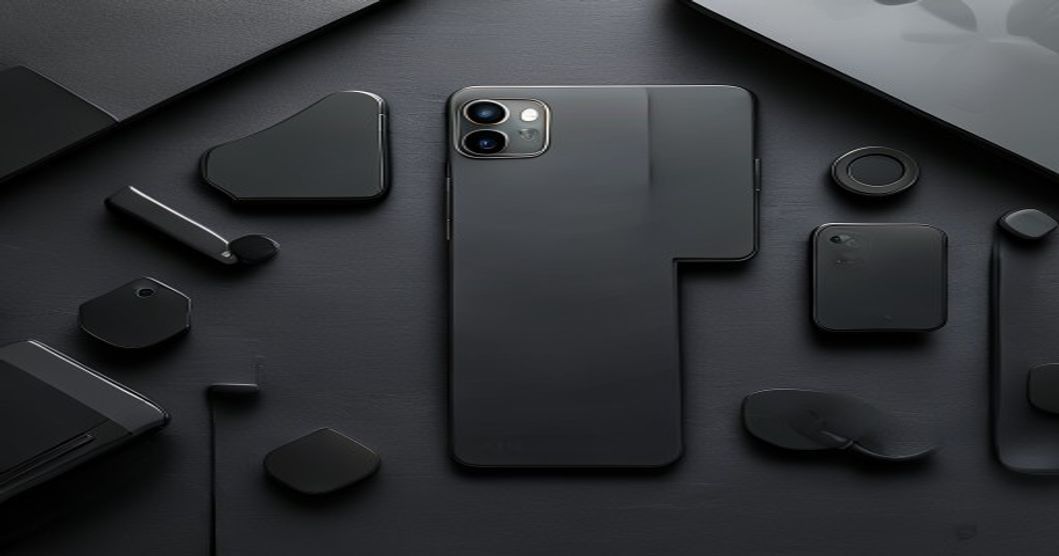
The workhorse case. Polycarbonate back + TPU (thermoplastic urethane) side bumpers protect against drops up to 5–6 feet. MagSafe-compatible. Slim enough to fit pockets, grippy enough not to slip. Best for anyone who wants no-compromise protection without bulk.
Best Value
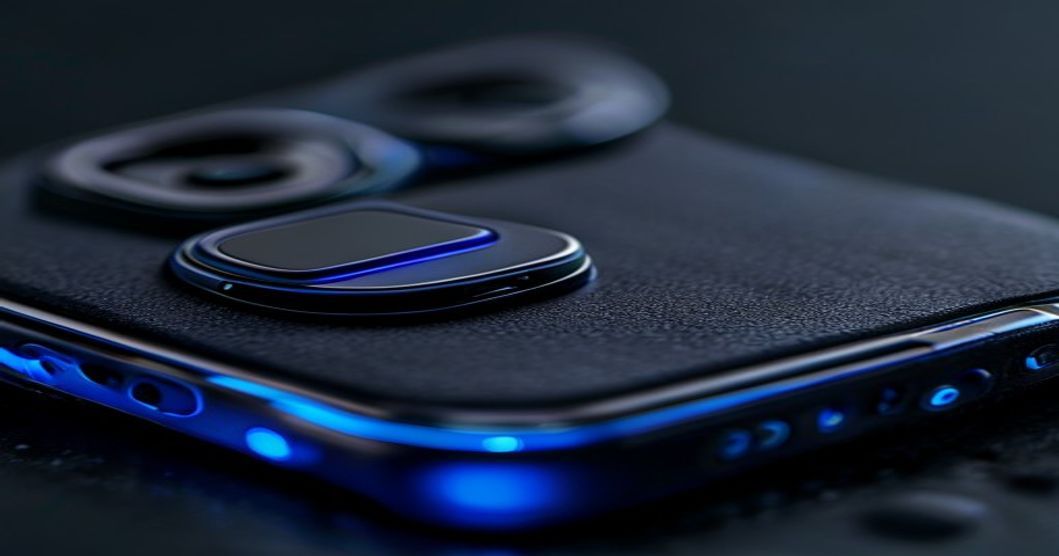
A thin metal ring that adheres to the back or case. Magnetic attachment holds your phone at 15–45 degree angles for video calls, photo framing, or just desk viewing. Cost-effective add-on, works with any MagSafe case. Perfect for desk workers and content creators.
Essential Add-On
9H hardness rating tempered glass. Absorbs scratches and minor cracks before they reach your actual display. Look for edge-to-edge coverage with a small notch for the dynamic island. Cheap insurance; replace every 18–24 months.
Comparison: Accessory Types at a Glance
| Accessory Type | Protection Level | MagSafe Compatible | Best For |
|---|---|---|---|
| Hybrid Case | High (bumpers + rigid back) | Yes (if specified) | Daily drops, daily grip |
| Slim Polycarbonate | Medium (minimal bumpers) | Yes | Pocket carry, light use |
| Wallet Case | High (thick, rigid) | Some models | Travel, minimal pocket real estate |
| Magnetic Ring/Stand | None (accessory only) | Yes (required) | Desk setup, hands-free viewing |
| Screen Protector | Medium (display only) | N/A | Scratch prevention, minor drop shield |
What Actually Matters When Choosing a Case
Drop Ratings and Real-World Durability
Don’t assume a case labeled “military grade” actually survived military tests. Look instead for cases tested against standardized drops (usually measured in feet). A hybrid case with reinforced corners will outperform a thin silicone sleeve in a 4-foot drop. If you’re clumsy, prioritize cases with raised edge bezels around the screen—they prevent the display from touching flat surfaces and cracking.
MagSafe Compatibility Is Not Automatic
Your iPhone 18 Pro has native MagSafe built in. But if your case blocks the magnets or lacks proper alignment, MagSafe accessories won’t snap on cleanly. When shopping, verify the product explicitly states “MagSafe compatible” or “magnets integrated.” Metal-backed cases are usually MagSafe-friendly; aluminum and stainless steel backings can sometimes interfere, so read the fine print.
Grip and Texture Beat Looks
A case that slips out of your hand beats a pretty case you’re afraid to hold. TPU side bumpers and matte finishes offer the best grip without leaving fingerprints. Glossy polycarbonate looks sleek but is a nightmare if you have slightly sweaty hands. Test a friend’s case before buying if you can; grip preference is personal and returns can be a hassle.
Pros and Cons of Popular Accessory Choices
- Hybrid cases offer genuinely strong protection without excessive bulk
- MagSafe ecosystems are genuinely useful (chargers, stands, wallets snap on)
- Tempered glass screen protectors are replaceable and cheap—easy upgrade
- Mid-range cases ($25–$45) often match or beat premium brands on durability
- Ring stands solve the “how do I prop up my phone” problem for under $10
- Thick cases add noticeable bulk and weight to the phone
- Metal and aluminum cases can block or slow wireless charging
- Wallet cases are heavy and defeat the purpose of a slim phone
- Screen protectors can reduce touch sensitivity or color accuracy
- MagSafe accessories cost more than non-magnetic alternatives
Who These Accessories Are (and Aren’t) For
Perfect For You If:
- You drop your phone regularly (or worry you will)
- You use your phone on a desk or during video calls frequently
- You carry your phone in a pocket or bag where it takes impacts
- You value grip and tactile feedback over ultra-slim aesthetics
- You charge wirelessly most days
- You work or travel and want hands-free phone viewing
Probably Skip If:
- You keep your phone in your pocket 99% of the time (naked might actually be safer)
- You prefer maximum thinness over drop protection
- You despise anything that adds weight to your phone
- You charge only via USB-C cable (wireless charging doesn’t matter to you)
- You’re okay replacing your phone every 2–3 years anyway
- You want a case that looks identical to stock (trade-off: less protection)
Key Specs to Actually Check Before Buying
Drop rating: Measured in feet. 4–6 feet is solid; 8+ feet is overkill for everyday use. Check YouTube drop tests for your specific case model—marketing claims vary wildly.
Material composition: Hybrid cases pair hard polycarbonate (scratch-resistant) with soft TPU bumpers (shock-absorbing). This combo beats pure silicone or pure plastic alone.
Magnet strength: MagSafe cases should hold accessories without wobbling or sliding. Weak magnets defeat the purpose. Read owner reviews for real-world stability.
Wireless charging clearance: If the case is thicker than 2mm or contains metal, verify it doesn’t block or slow charging. Manufacturers usually state charging compatibility explicitly.
Screen bezel height: Measure how much the case’s edge rises above the display. Anything under 1mm leaves your screen vulnerable; 2mm or higher is safe for face-down drops.
Real-World Maintenance and Longevity
Cases degrade. TPU yellows and cracks after 18–24 months of UV exposure and flexing. If you buy a hybrid case in autumn, by summer it might start separating at the seams. This isn’t a defect—it’s normal. Budget for case replacement every couple of years, or accept the aesthetic degradation.
Screen protectors last longer but eventually get micro-scratches and reduced clarity. Replace when you notice visual degradation; don’t wait for cracking.
Clean your case and phone monthly. Dust under a case can cause micro-abrasions. Use a soft cloth and slightly damp microfiber; avoid harsh solvents.
Complementary Accessories Worth Stacking
A hybrid case is your foundation. From there, consider layering:
- Magnetic ring stand or pop-socket: Solves desk and video-call positioning. Adds ~$5–$10 and no bulk.
- Tempered glass screen protector: Guards your display. Essential if you drop your phone or carry it loose in a bag. $5–$15.
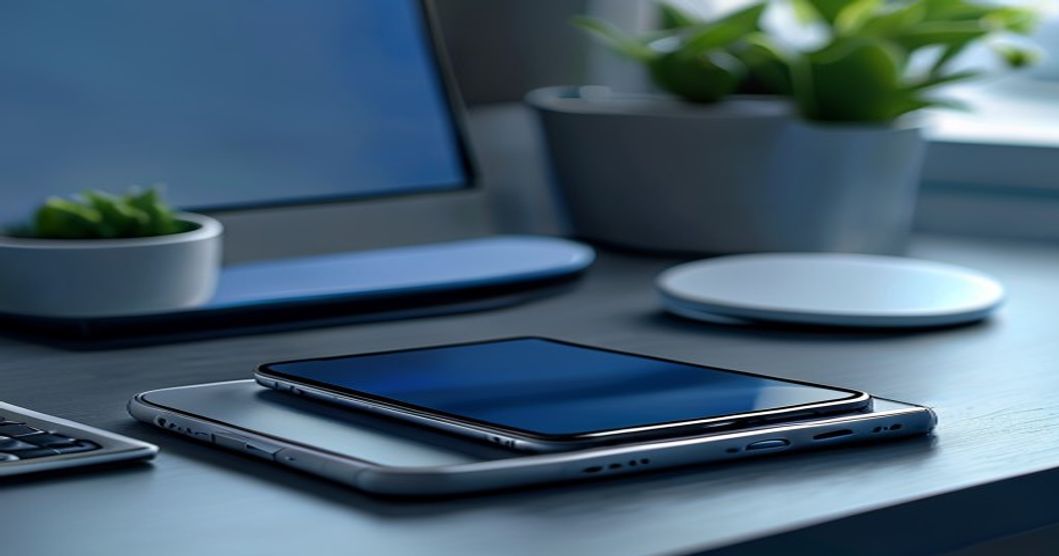
- Charging dock: Keep your phone upright and charge hands-free. MagSafe docks are more expensive but align perfectly. $20–$60 depending on design.
- Portable power bank: Not strictly an accessory, but pairs well with MagSafe charging for travel. $15–$40.
Don’t buy a wallet case unless you genuinely carry nothing else. The bulk and weight defeat a phone’s core advantage: portability. A slim case plus a separate card holder is lighter and more flexible.
Where to Buy and What to Watch Out For
Stick with verified retailers. Third-party marketplace sellers sometimes ship counterfeit or defective cases. Check product reviews for recent posts mentioning fit issues, magnet failure, or quality control problems. Read the negative reviews first—they’re usually the most honest.
Return policies matter. A 30-day return window lets you test the case’s grip, magnet strength, and fit before committing. Some brands offer 60 or 90 days; take advantage.
If you’re buying a MagSafe case, verify MagSafe accessory compatibility in the description. Not all “MagSafe compatible” cases work equally well with all accessories. Check the specific model number.
Related reading: If you’re also shopping for screen protection, check out our detailed comparison on cases with built-in screen protectors under $40. And if you travel frequently, our guide to cases with card holders and kickstands covers how to maximize functionality without bloat.
The Bottom Line
Start with a hybrid hard-shell case. Add a MagSafe ring stand for versatility. Throw a screen protector on if you’re accident-prone. Skip the wallet case unless you actually need it. A $30–$40 case will protect your iPhone 18 Pro just as well as a $100 designer option—spend the savings on AppleCare+ if peace of mind matters to you.
Affiliate Disclosure
This article contains affiliate links. If you click through and make a purchase, I may earn a commission at no extra cost to you. As an Amazon Associate I earn from qualifying purchases. I only recommend accessories I’d genuinely use myself, based on durability, design, and value. Thanks for supporting this site.