Best Phone Screen Protector: Clarity, Durability & Real-World Protection
Disclosure: This post may contain affiliate links. We may earn a commission on qualifying purchases at no extra cost to you.
You’re scrolling through your phone at a coffee shop when your elbow catches the edge of your mug. Your heart stops. Your phone hits the table face-down. That split second before you flip it over—that’s when you realize you should’ve bought a screen protector months ago.
Why Screen Protectors Actually Matter (And Why You Probably Don’t Have One)
Most people don’t use screen protectors even though they should. Partly because the cheap ones from five years ago were garbage—they warped colors, killed brightness, made everything feel slick. The other part is just laziness. We figure it won’t happen to us.
Modern tempered glass has gotten actually good. Thin enough you forget it’s there. Costs less than two specialty coffees. A phone screen replacement? Several hundred dollars. The math writes itself.
The real question isn’t whether you need one. It’s which one works for your phone and how you actually live.
Tempered Glass vs. Film: The Trade-Off That Matters
Tempered glass and film solve different problems.
Tempered glass protectors are stacked layers of processed glass bonded together. Thick, hard, can take serious impact. Drop your phone and the protector cracks instead of your screen. That’s the whole point—it’s a sacrifice layer. When it breaks, you replace the cheap protector instead of paying for a new screen.
The catch? They add weight. They can distort the edges on curved phones. And if the adhesive is garbage, dust gets trapped underneath within weeks. Looks bad. Feels worse.
Film protectors (hydrogel, basically) are thin plastic sheets that stick to your screen. Nearly invisible. No weight. Dead simple to apply—peel and stick, no alignment tools. Usually cheaper upfront too.
But film won’t save you in a real drop. It stops micro-scratches from keys and sand—genuinely useful. Waist-height drop onto concrete? The film won’t absorb that. Your screen cracks either way.
Careful with your phone and worried about scratches? Film makes sense. Drop things regularly or live chaotically? Tempered glass is your answer.
What Actually Makes a Screen Protector “Good”
Once you pick between glass and film, here’s what separates protectors you’ll keep from ones you’ll curse:
Clarity and light transmission. Cheap protectors dim your screen or add a weird rainbow tint. Good ones are invisible. Look for reviews that specifically mention brightness. Multiple people saying the screen looks duller? That’s your signal to skip it.
Touch sensitivity. Your screen sends signals through the protector. Thick, low-quality ones can cause lag or dead zones where taps don’t register. Flagship protectors have minimal impact. Budget ones sometimes don’t. This is where user reviews matter—not for hype, but for “does this actually feel normal to use.”
Oleophobic coating. Fancy term for “doesn’t show fingerprints.” Most protectors have some version of this, but cheap ones wear off in a few months. Quality coatings last much longer. It’s a reliability indicator.
Adhesive quality. The glue determines whether dust hides underneath or stays invisible for years. Premium protectors use edge-bonding adhesive (glue only at the edges). Cheap ones sometimes use full-surface adhesive, which is a mistake—dust traps everywhere.
Installation ease. High-end tempered glass comes with an alignment tray, wet and dry wipes, sometimes a dust-removal sticker. You’ll get it centered without fighting. Sounds petty until you’re trying not to trap an air bubble. Then it’s everything.
The Flat vs. Curved Screen Situation
This gets annoying. Curved or “infinity” edge displays (Samsung, high-end phones) need curved protectors. A flat protector leaves gaps, traps air bubbles, looks terrible, and doesn’t actually protect the curved edges.
Curved protectors cost more because they’re harder to manufacture. But if you have a curved phone, that’s your only real option. A flat protector is pointless—it doesn’t seal.
Flat screen phone (budget models, iPhones)? Grab a flat protector. Cheaper, simpler, easier to apply.
Installation: Don’t Mess This Up
I’ve watched people destroy a perfectly good protector by installing it in a dusty room while breathing directly on the screen. Don’t be that person.
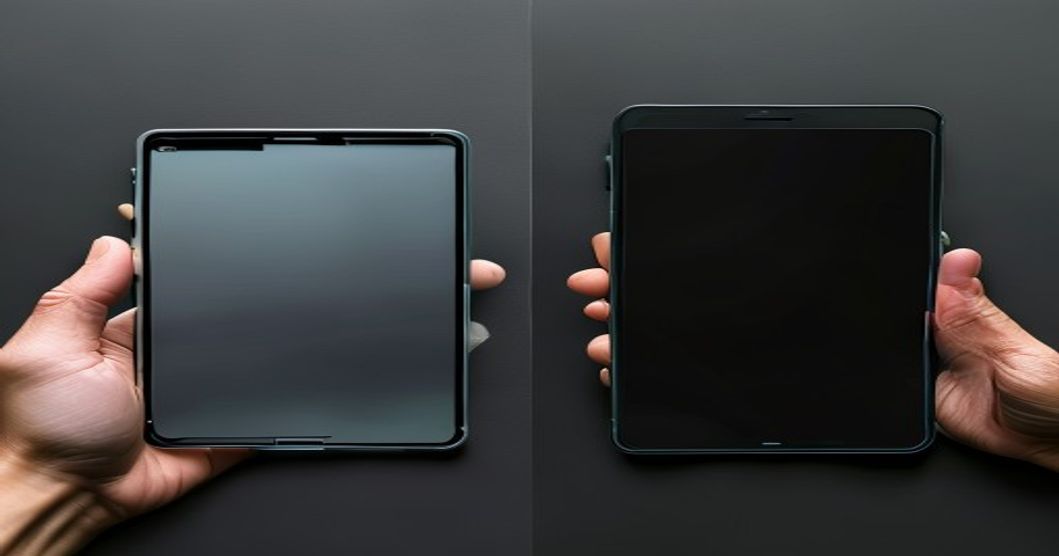
Close the windows. Kill the ceiling fans. Use the cleaning wipes from the box—not your shirt. Let the screen dry completely. If it comes with an alignment tray, use it. Lower the protector slowly from one edge instead of dropping it flat; this lets air escape. No bubbles that way.
Mess up? Most tempered glass has a small gap at the edge. Slip a credit card under there, press flat, bubble’s gone. If not, peel it off and try again.
The Durability Question: How Long Do These Actually Last?
A tempered glass protector lasts a long time if you don’t smash your phone hard. Hard drop cracks it? Replace it immediately. A broken protector is worse than nothing—jagged edges can damage your actual screen.
The oleophobic coating degrades over time. After a year or so, fingerprints show up more. Doesn’t affect protection, just feels less nice. Some people replace annually for this alone.
Film protectors last similarly, though edges peel up more often with extended use. Once the edges curl, replace it.
Real Protection Means Layering
Here’s what matters most: a screen protector doesn’t replace a phone case. Case protects the body, bezels, camera. Protector protects the display. Together they work.
Phone drops on its corner? Case takes it. Drops face-first onto concrete? Protector takes it. Both scenarios covered.
Best setup isn’t good case OR good protector. It’s both. Get a quality protector and a decent case. Your phone’s genuinely protected. Skip either one and you’re gambling.

The Reality of Touch and Visibility
Two complaints show up constantly: lag and dimness. Let’s be straight about both.
Touch lag: Modern flagship protectors barely impact responsiveness. Budget ones sometimes create dead zones, especially at edges. Rare but it happens. Read reviews about actual gaming or typing, not just hype.
Screen brightness: Quality protectors barely dim anything. Budget ones can noticeably darken your screen, especially in bright sunlight. Spend time outdoors? Look for reviews specifically praising brightness performance. Worth checking carefully.
The Curved-Screen Premium (And Whether It’s Worth It)
Curved protectors cost more than flat ones. Worth it if you have a curved phone? Absolutely.
A flat protector on a curved screen is wasted money. It doesn’t seal, looks bad, leaves the actual curved edges unprotected. You’re paying for an incomplete product. The curved version costs more because it’s harder to make, not because anyone’s upselling you.
What Most Reviews Get Wrong
A lot of reviews rate protectors using lab tests that don’t match real life. They quote “hardness ratings” or “drop test results” like those numbers mean anything.
What actually matters: Does it feel like you’re using your phone, or does it feel like plastic? Does dust trap after a few weeks? Fingerprints show up fast? Does the oleophobic coating die quickly? Only real users answer these. Mixed reviews are more useful than 5-star ones or any spec sheet.
Why You Should Actually Buy One This Week
A screen protector feels optional until you need it. Then it’s one of the best small purchases you can make.
The time to get one is now, while your screen’s intact. Once it’s cracked, you’re paying repair costs that would’ve covered many protectors. Installation takes minutes if you don’t overthink it.
Get tempered glass if you drop things or want peace of mind. Get film if you’re careful and want zero visibility impact. Either way, get one. Your future self will thank you when you drop your phone and find the protector shattered instead of your actual screen.
A quality tempered glass screen protector is the simplest, cheapest insurance you can buy for your phone. Won’t make it faster or prettier, but stops accidents from becoming costly repairs. Pair it with a decent phone case and your phone is actually protected. Check if your screen’s flat or curved, grab a protector with good reviews mentioning clarity and touch feel, spend a few minutes installing it right. Done. Your phone’s covered.
Ready to add real protection? Shop screen protectors on Amazon →
Who This Protector Is For (And Who It Isn’t)
Perfect for:
- People who use their phones daily in unpredictable environments (work, commuting, outdoor activities)
- Anyone who’s cracked a phone screen before and doesn’t want it to happen again
- Users with curved-screen phones who want edge protection
- People who value peace of mind over saving money
Not necessary for:
- People with consistently careful phone habits and no history of drops
- Users who prioritize 100% unfiltered display experience and don’t mind the risk
- Those with older phones they’re planning to replace soon anyway
- Anyone unwilling to spend time on installation
Be honest with yourself. Cracked a phone in the past five years? Get the protector. Never dropped your phone and don’t plan to? You can skip it. But most people fall into the first category and just won’t admit it.