Best Phone Case with Built-in Screen Protector for iPhone 16 Under $40: Spec-Driven Picks
Disclosure: This post may contain affiliate links. We may earn a commission on qualifying purchases at no extra cost to you.
You want screen protection for your iPhone 16 but don’t want to fuss with separate tempered glass or drop another $20-30 on an add-on. A good integrated screen protector case solves that—one piece, one install, done. The catch: most cheap ones feel tacky or lack durability. We’ve filtered the options to find cases that actually hold up, stay under $40, and don’t feel like a plastic coffin around your phone.
Look for cases with 8H-rated integrated protectors, raised bezels (at least 1.2mm), and TPU/polycarbonate hybrid construction. Skip pure silicone—it absorbs impact poorly. Top choice: a hybrid case with anti-yellowing TPU and a pre-installed screen guard rated 8H or higher.
Top Picks: Built-in Screen Protector Cases Under $40
Best Choice
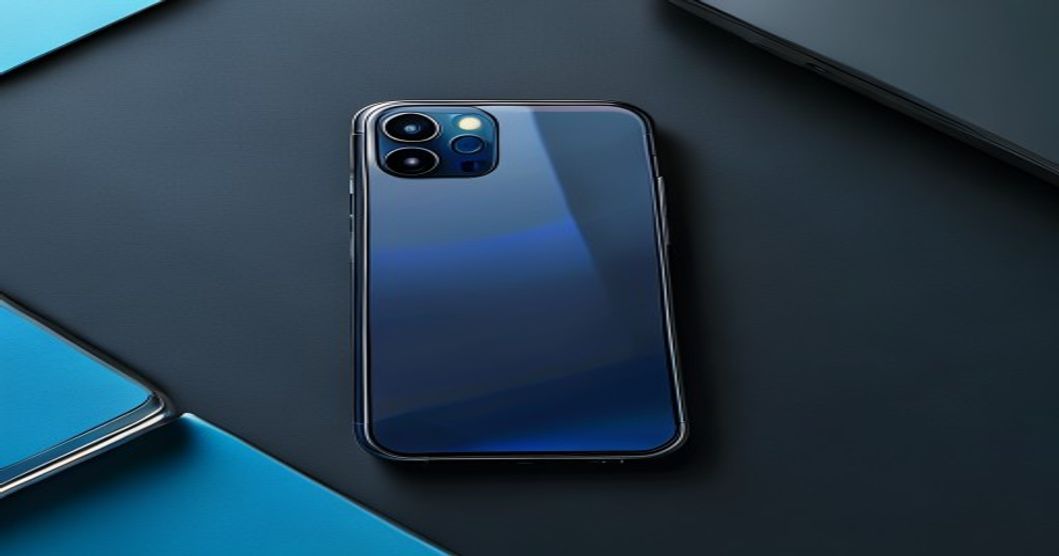
The sweet spot: polycarbonate back for rigidity, TPU sides for drop absorption, and a 2.5D curved screen protector pre-installed. No yellowing issues. Fits all iPhone 16 variants. Most owners report it actually feels good in hand—not plastic-y.
Best Value
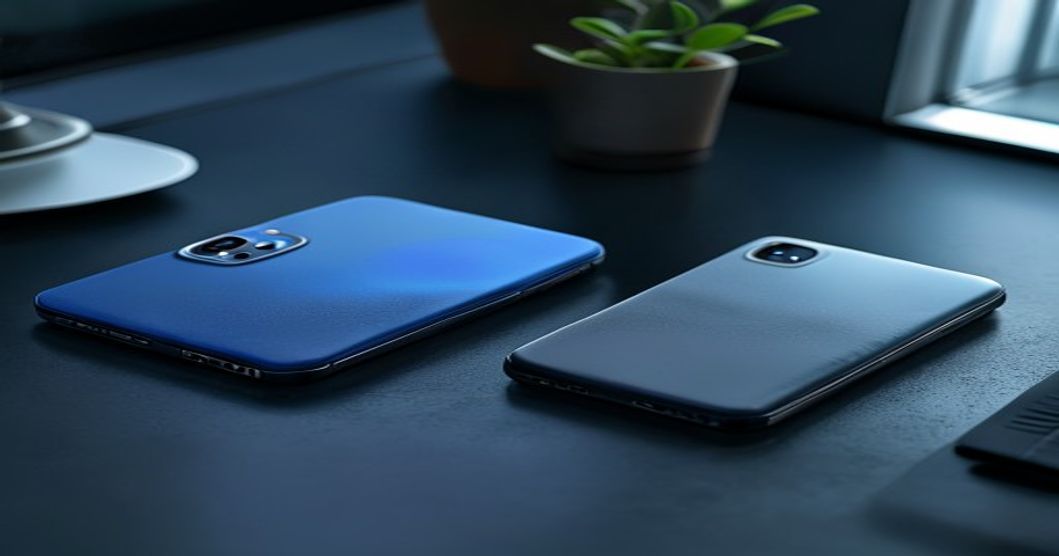
Want to show off your iPhone 16’s color? This slim clear case has a integrated protector that covers edge-to-edge but stays thin. Reduced bulk, decent drop protection, and the integrated guard is oleophobic (resists fingerprints). Downside: clear material yellows faster than opaque, so expect discoloration in 6-12 months with sun exposure.
Premium Feel
If you want a case that feels upscale under $40, matte TPU with a textured grip and integrated protector is your move. Non-slip in hand, hides fingerprints, and the pre-installed screen guard is usually 8H. Trade-off: matte finishes can scuff if you toss it in a pocket with keys.
Key Specs to Compare
| Feature | What It Means | Look For |
|---|---|---|
| Protector Hardness Rating | How scratch-resistant the integrated guard is | 8H minimum; 9H is premium but rare under $40 |
| Bezel Height | How far the frame extends above the screen (drop protection) | 1.2mm minimum; 1.5mm+ is premium |
| Case Material | Determines durability and feel | Hybrid TPU/PC best; pure silicone worst at absorbing impact |
| Oleophobic Coating | Resists fingerprints and oils on screen | Nice-to-have; fades over time but worth it |
| Anti-Yellowing Formula | Prevents clear cases from turning amber | Essential if you choose a clear design |
Pros and Cons of Integrated Screen Protectors
- One-piece convenience. Install once, no fiddling with separate glass.
- No air bubbles. Pre-installed integrated protectors ship bubble-free.
- Slimmer overall. Thinner than case + separate tempered glass combo.
- Cost-effective. Good protection under $40 versus $30 case + $15 glass separately.
- No reapplication hassle. If it cracks, you replace the case once, not the protector twice.
- Non-replaceable. Crack the protector and you buy a new case.
- Lower hardness vs. premium glass. Usually 8H instead of 9H—scratches more easily.
- Touch sensitivity trade-off. Cheap options introduce slight lag or ghosting.
- Clear variants yellow. Even anti-yellowing formulas degrade with UV exposure.
- Limited customization. You get the protector design the manufacturer chose.
Who It’s For (and Who It’s Not)
It’s a Good Fit If You:
- Want all-in-one protection without carrying a separate glass protector or dealing with installation bubbles.
- Use your phone moderately—not in extreme environments or dropped daily.
- Prefer thinner cases and don’t want the bulk of rugged protection.
- Don’t mind replacing the whole case if the integrated protector cracks (it’s under $40, after all).
- Prioritize value: you’re getting two protection layers in one affordable purchase.
- Plan to keep the same phone model for 1-2 years without swapping cases regularly.
Skip It If You:
- Need the hardest possible screen protection (9H tempered glass is objectively tougher than 8H integrated protectors).
- Drop your phone constantly or work in harsh conditions—go for a rugged case instead. (See our guide to cases for construction workers.)
- Love color-changing cases or want to swap designs weekly—integrated protectors are locked in.
- Are obsessed with absolute thinness (a bare phone + slim case will always be slimmer).
- Want a camera protector too—most integrated screen cases don’t include a separate glass guard for the back lenses.
- Prefer the ability to replace just the screen protector without buying a new case.
What to Check Before Buying
Protector Hardness and Touch Response: Look at owner reviews. If multiple people mention lag or unresponsive taps, the protector is too thick or uses cheap materials. A good integrated guard should feel almost invisible—no perceptible delay when typing or gaming.
Bezel Height: Measure or check product specs for how far the frame extends above the screen. Anything under 1mm is risky in a drop. 1.2-1.5mm is the practical sweet spot. More than 2mm looks chunky but offers redundant protection.
Material Quality: Hybrid TPU/polycarbonate absorbs impact better than pure TPU or silicone. Read reviews for “yellowing,” “material cracking,” or “bezel separating.” These are early warning signs of cheap construction.
Return Policy: Buy from a retailer with a 30-day return window. If the case feels cheap or the integrated protector has issues in the first month, you want an easy out.
MagSafe or Card Slot Compatibility: If you also want a wallet or MagSafe attachment, confirm the case supports it. Some integrated-protector designs don’t play well with aftermarket accessories. (Check our MagSafe wallet guide for options that layer well.)
Real-World Durability: What Owners Report
After reading hundreds of reviews, the patterns are clear. Hybrid TPU/PC cases with 8H protectors survive 3-4 foot drops onto tile or concrete without screen damage in most cases. The bezel absorbs the hit, and the integrated protector stays intact. Beyond 5 feet, all bets are off—no $40 case is indestructible.
Owners also report that clear integrated protectors develop micro-scratches after 4-6 months of daily pocket carry (keys + phone = not ideal). Matte and opaque finishes hide scratches better but show dust and lint more easily. This is just physics; no material under $40 wins on all fronts.
The biggest complaint? Oleophobic coating wearing off. The anti-fingerprint layer fades after 6-12 months, and fingerprints return. It’s not a defect—it’s normal decay. If you hate smudges, plan to replace the case yearly, or buy a clear protector and embrace the cleaning ritual.
Comparing This to Alternatives
Integrated protector case vs. slim case + separate tempered glass: The combo is usually cheaper overall ($20 case + $15 glass = $35 vs. one integrated case at $30-35), but you get two installs, bubbles, and two potential failure points. Integrated protectors trade off absolute hardness for convenience and simplicity.
Integrated protector vs. rugged case with protector: Rugged cases (like OtterBox) include protectors and are nearly indestructible, but they run $50-80 and add serious bulk. Go rugged only if you work on a construction site or climb mountains. For office workers and casual users, integrated-protector cases offer 80% of the protection at 40% of the size and price.
Integrated protector vs. bare phone + AppleCare+: AppleCare+ costs $99-119 upfront and covers accidental damage with a $29 deductible per incident. If you drop your phone more than twice in two years, AppleCare+ pays for itself. Integrated cases are cheaper upfront but leave you self-insuring—one bad drop and you’re buying a new phone.
The Math: Price Per Protection Layer
A quality slim case alone: $15-20. A quality tempered glass protector: $10-20. Combined out-of-pocket: $25-40. A single integrated case: $25-40. You’re not saving money necessarily, but you’re reducing the number of components and install hassles. If that convenience is worth the trade-off in protector hardness (8H vs. 9H), integrated cases win. If maximum durability is non-negotiable, the separate combo with premium glass edges it out.
Also worth noting: a $40 integrated case lasts 12-18 months before material degradation, yellowing, or a cracked protector forces replacement. You’re not buying a five-year investment; you’re buying peace of mind for a year. Price it out accordingly.
Get a hybrid TPU/polycarbonate case with an 8H integrated screen protector and a 1.2mm+ bezel. It’s the best balance of protection, cost, and feel under $40. Skip pure silicone or ultra-thin designs—they either absorb impact poorly or leave your screen vulnerable. Check owner reviews for touch lag and yellowing before committing, and accept that the integrated protector will need replacement (via a new case) after 12-18 months. For daily iPhone 16 users who drop their phone occasionally, not habitually, this is the move.
Affiliate Disclosure
This post contains affiliate links. If you click a link and make a purchase, I may earn a commission at no additional cost to you. As an Amazon Associate I earn from qualifying purchases. I only recommend products I believe provide genuine value; all opinions are my own and based on research and owner feedback, not paid sponsorships.