Best Power Bank 2024: Top Picks for Fast Charging & All-Day Power
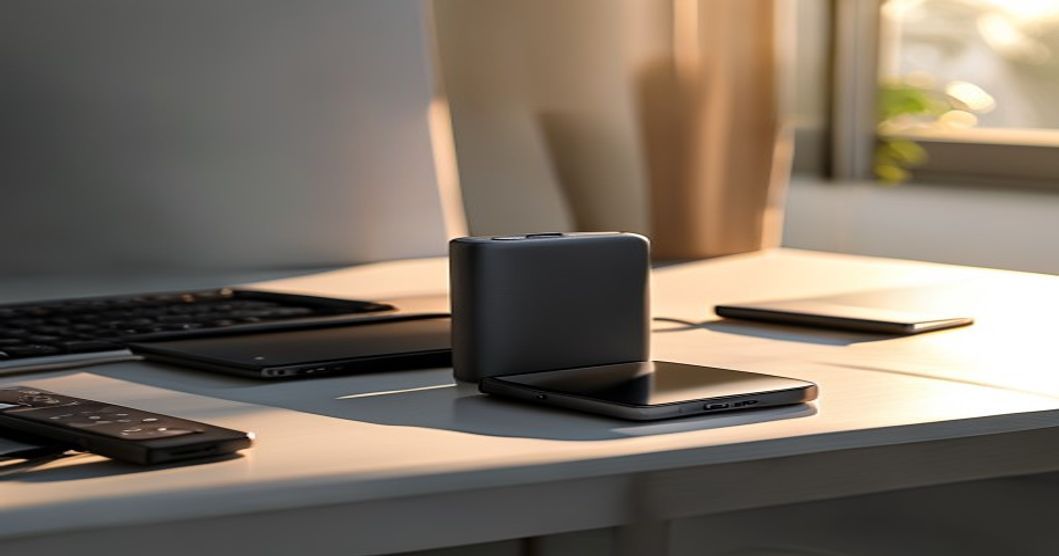
Disclosure: This post may contain affiliate links. We may earn a commission on qualifying purchases at no extra cost to you.
A reliable power bank is now essential for anyone with a smartphone. Whether you’re commuting, traveling, or just navigating a busy day away from an outlet, a quality portable battery can mean the difference between staying connected and running dry. But with hundreds of options ranging from pocket-sized 5,000 mAh units to beefy 30,000 mAh slabs, choosing the right one requires understanding your actual needs, charging speed, and portability trade-offs.
Top Picks for the Best Power Bank
Best Choice
Perfect for daily commuters and office workers. Slim enough to fit in a pocket or small bag, yet powerful enough to give a full smartphone charge plus additional capacity. Look for models with USB-C and USB-A ports so you can charge two devices simultaneously. The 20–30W output is typically compatible with modern phones and generally enables reasonably fast charging.
Best Value
Ideal for road warriors, multi-device households, and anyone who spends 1–2 days away from wall power. These models can provide multiple full charges for phones and work well with tablets. The tradeoff is size—expect a unit roughly the size of a smartphone itself—but the added capacity is valued for frequent travelers. Higher wattage generally means faster charging for multiple devices.
Premium Tier
For professionals who carry laptops, tablets, and multiple phones. These can provide substantial charging for laptops, potentially reducing or eliminating the need to pack a separate laptop charger on short trips (check your device’s specific requirements). They’re bulkier and heavier but valued by frequent travelers. Only pick this tier if you genuinely need to power high-demand devices.
Power Bank Capacity & Speed Comparison
| Category | Capacity | Output Power | Typical Size | Best For |
|---|---|---|---|---|
| Ultra-Compact | 5,000–10,000 mAh | 5–10W | Pocket-sized | Quick top-ups, emergency backup |
| Everyday Carry | 10,000–15,000 mAh | 20–30W | Small handbag/backpack | Commuters, daily mobile users |
| Extended Travel | 20,000–25,000 mAh | 30–45W | Large pocket / small pack | Weekend trips, multi-device users |
| Professional/Heavy Use | 30,000+ mAh | 65W+ | Bulky, requires backpack | Laptop charging, extended trips |
Key Features to Look For in a Power Bank
Fast-Charging Wattage
Wattage determines how quickly a power bank restores your phone’s battery. A 5W bank will charge slowly; a 20W unit is standard for modern flagship phones; 30W+ is premium. The catch: your phone must support that wattage. An older device might only accept 10W even if your power bank offers 30W. Check your phone’s specs before upgrading to a high-wattage bank—you might not see a real-world speed improvement.
Port Variety (USB-C, USB-A, Lightning)
Multiple ports let you charge several devices at once. USB-C is now standard on most phones and tablets; USB-A works with older devices and accessories. If you use Apple devices, verify the bank includes a USB-C–to–Lightning adapter or a USB-C output port. Some premium models include a built-in Lightning port, eliminating the need for an extra cable.
Real Capacity vs. Marketing Claims
A “20,000 mAh” power bank doesn’t deliver a full 20,000 mAh to your phone due to energy loss in the conversion process. Expect to receive a portion of the rated capacity (typically in the range of 70–85%) as usable power. A 20,000 mAh bank typically provides roughly 14,000–17,000 mAh of actual charging energy. Reputable brands disclose this; listings claiming “100% efficiency” should be viewed skeptically.
Build Quality & Safety Certification
Look for power banks with UL, FCC, or CE certification. These indicate the device has passed safety testing for overcharge, short-circuit, and thermal protection. Quality brands use robust circuitry to prevent your power bank from damaging your phone’s battery. Cheap units may carry higher risks of overheating or failure, potentially affecting both your device and your safety.
Weight & Form Factor
Compact models (10,000 mAh) typically weigh a few ounces and slip into a pocket. Mid-range units (20,000 mAh) weigh around 10–14 ounces—still portable but noticeable in a bag. High-capacity models can be considerably heavier. Test the weight in your hand before committing; a power bank only helps if you actually carry it.
- Stay connected all day without hunting for outlets
- Fast-charging models generally reduce wait time for charging
- Multi-port designs charge phones, tablets, and accessories simultaneously
- No monthly bills—charge once and reuse for years
- Compact models fit in a pocket for true on-the-go convenience
- Peace of mind on flights, road trips, and long commutes
- Requires separate recharging after use (plan ahead for long trips)
- Higher capacity = more weight and bulk to carry
- Cheap models may degrade quickly or risk overheating
- Wireless charging variants are slower and less efficient
- High-wattage fast chargers typically cost more upfront
- Excess capacity goes unused if you only carry a phone
Who It’s For & Who It’s Not
Perfect For:
- Commuters: Daily travel with inconsistent charging access. A 10,000–15,000 mAh unit helps reduce power anxiety.
- Remote Workers: Frequent coffee-shop or outdoor work sessions. Frees you from plugging into walls.
- Travelers: Multi-day trips, camping, festivals. Higher capacity (20,000+ mAh) provides extended device autonomy.
- Multi-Device Users: People with phones, tablets, smartwatches, and headphones. A dual- or triple-port bank charges multiple devices efficiently.
- Gaming or Streaming Enthusiasts: Heavy screen time drains batteries. A power bank extends play without interruption.
Not Necessary For:
- Home/Office Desk Workers: If you’re always near a wall outlet, a power bank adds weight without clear utility.
- Light Mobile Users: People who use phones sparingly and have chargers available. A simple wired charger may suffice.
- Ultra-Minimalists: If you deliberately avoid gadgets and backpack clutter, a power bank contradicts your lifestyle.
- Budget-Conscious Shoppers (short term): Quality power banks typically range from $20 to $80+. If upfront cost is prohibitive, prioritize a good wall charger first.
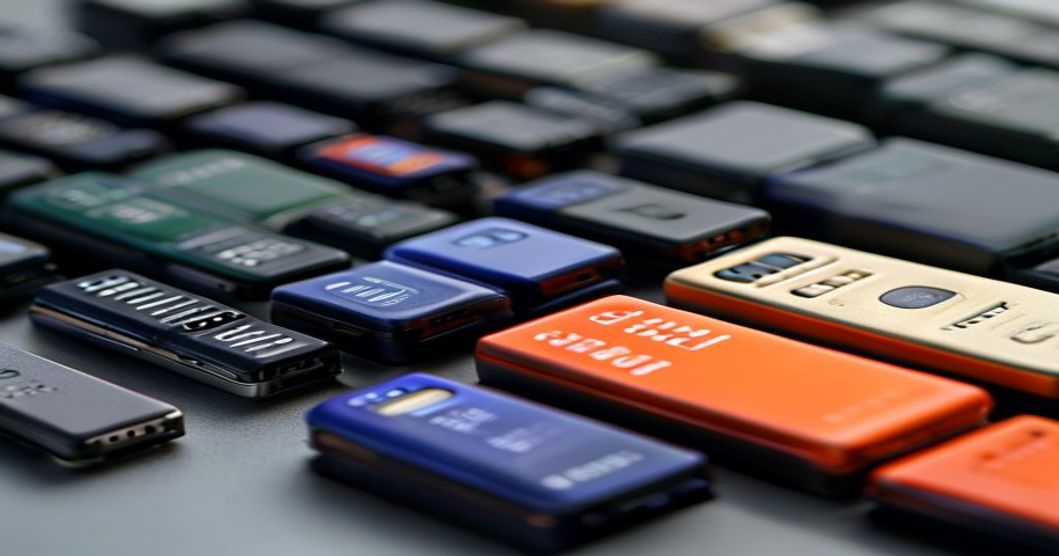
Power Banks vs. Other Charging Solutions
You may wonder how a power bank stacks up against wireless chargers or protective cases with built-in batteries. Here’s the real comparison:
Wireless Chargers: Convenient at home or the office, but stationary. A wireless power bank exists (less common, pricier) but experiences energy loss through wireless transfer. For daily commuting, wired charging is more practical.
Battery Cases: Integrate battery and protection in one slim package. Drawback: they add thickness to your phone, may impact internal battery longevity due to heat generation, and offer limited capacity. Best for light users; may be insufficient for heavy usage.
Wall Chargers (including fast chargers): Essential and shouldn’t be skipped, but only work when you’re near an outlet. A power bank bridges the gap during the many hours you’re away from outlets.
The Verdict: A quality wall charger (20–30W minimum) + a mid-capacity power bank (10,000–20,000 mAh) is a practical combo for modern mobile life. They’re not competing tools—they complement each other.
Charging Speed & Real-World Performance
Marketing often overstates speed. A “65W” power bank sounds impressive, but if your phone accepts only 30W, you get 30W charging. The output wattage is capped by the lower of the two: the power bank’s maximum or your device’s maximum supported input.
Modern flagship phones (recent releases) typically support 20–45W charging. Budget and mid-range phones often cap at 10–18W. Before buying a high-wattage bank, confirm your phone’s spec sheet. Paying for 65W output when your phone tops out at 25W is likely unnecessary.
In real-world use, a quality 30W power bank charging a modern flagship phone can provide notably faster charging compared to a basic 5W bank. The practical difference in charging speed is meaningful for people juggling work, meetings, and social life.
Charging Multiple Devices Simultaneously
Most mid-range and premium power banks include two or three charging ports. When you plug in two devices, output power is distributed. A 30W bank delivering to two phones might allocate power proportionally or dynamically based on device requirements. Check the product specs—good brands publish how power distributes across multiple simultaneous charges.
If you frequently charge a phone and tablet at the same time, prioritize a model with explicit “dual fast charging” or “multi-device power delivery.” Otherwise, charging speed on the second device may be slower, potentially reducing the convenience benefit.
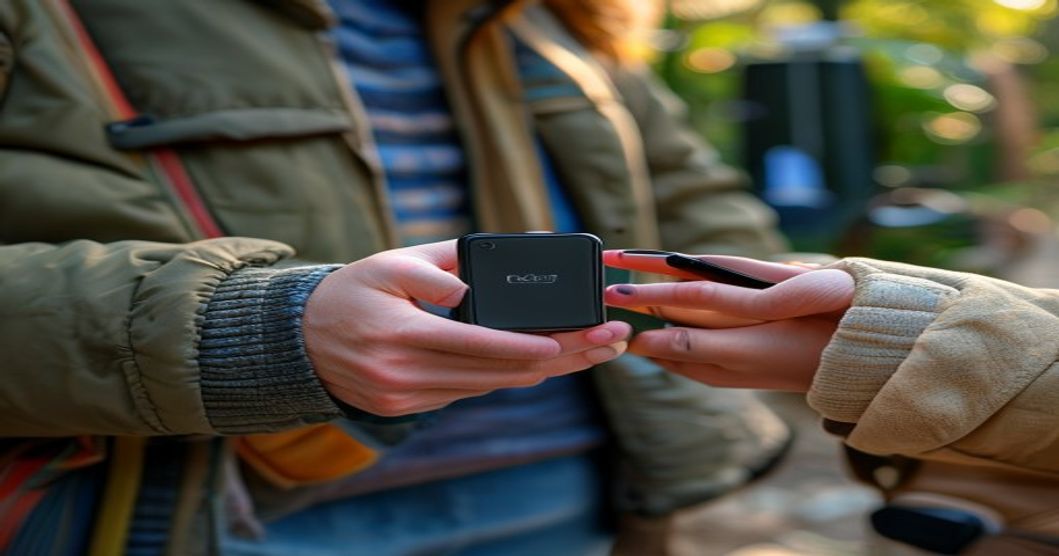
Airport Security & Travel Regulations
Power banks are allowed on flights, but only in carry-on luggage, not checked baggage. Airlines typically restrict capacity: most accept power banks up to 100 Wh (watt-hours); anything significantly higher may be prohibited. To convert your power bank’s mAh to Wh, multiply mAh by voltage (typically 3.7V for lithium batteries) and divide by 1,000. Example: a 20,000 mAh bank at 3.7V equals (20,000 × 3.7) / 1,000 = 74 Wh—generally within typical limits. High-capacity 30,000+ mAh banks often exceed airline thresholds; check the spec sheet before travel to avoid confiscation.
International travel rules vary by country and airline. When in doubt, contact your airline ahead of time or choose a power bank with the Wh rating clearly printed (reputable brands include this).
Longevity & Maintenance
A quality power bank generally lasts several years with normal use. Lithium-ion batteries naturally degrade with charge cycles (each full charge and discharge counts as one cycle). After hundreds of cycles, expect the bank to gradually hold less capacity. Over time (typically years), it may hold a significantly reduced percentage of original capacity, making it less useful for full-day trips but still potentially viable for emergency top-ups.
To extend lifespan, store your power bank in a cool, dry place (avoid hot cars, direct sunlight, and humid environments). Avoid letting it sit completely discharged for extended periods; occasional top-ups during storage help preserve longevity. Don’t expose it to extreme temperatures. Most portable batteries degrade faster in heat.
When capacity drops significantly after several years of use, the power bank has reached practical end-of-life. Recycle it responsibly through a local e-waste facility or manufacturer take-back program rather than discarding it in regular trash.
Price vs. Value: What to Actually Pay
Power bank pricing ranges broadly depending on capacity and features. Here’s where money generally matters:
- Budget options: Compact 5,000–10,000 mAh units with basic charging. Suitable for emergencies; may not meet daily use needs.
- Mid-range (typically $25–50): 10,000–20,000 mAh with 20–30W charging. Quality brands generally offer good value in this segment.
- Premium options ($50+): Higher capacity, faster charging, multiple ports, established brand reputation. Worth considering if you travel frequently or charge multiple devices regularly.
- Specialty products ($100+): Solar, foldable, ultra-high-wattage designs. Only necessary for specific professional or outdoor needs.
The best power bank isn’t always the cheapest. A unit from a reputable brand with good reviews will generally outperform a mystery brand with questionable reliability. Prioritize verified customer reviews and certifications over price alone.
Beyond Standard Power Banks: Specialized Options
Solar Power Banks
Built-in solar panels allow trickle-charging in sunlight, potentially useful for backcountry activities. Downside: solar charging is slow (extended sun exposure may add modest capacity). They’re typically heavier and bulkier than standard banks. Best for users who camp or hike regularly and may lack wall-charging access.
Wireless Charging Power Banks
Built-in wireless pads eliminate cables for compatible phones. Generally more expensive and less efficient than wired banks due to energy loss in wireless transfer. Better suited for stationary use; less practical for travel.
Power Banks with AC Outlets (Portable Power Stations)
High-capacity units (50,000 mAh+) with a 120V AC outlet for laptops and appliances. Heavy, expensive, and likely unnecessary unless you’re powering multiple devices or appliances. Most people only need USB charging.
For the vast majority, a straightforward 10,000–25,000 mAh USB power bank with 20–45W output is practical. Specialty features can appeal but often add cost, weight, and complexity without clear benefit for typical daily use.
Related Guides & Accessories
To round out your mobile charging setup, explore related guides on power banks, wireless chargers, and protective phone cases that work well with power banks. A solid charging ecosystem—wall charger, power bank, and quality cables—keeps your devices reliably powered across work, travel, and daily life.
The best power bank for most people is a compact unit in the 10,000–15,000 mAh range with 20–30W fast charging. It should fit in a pocket, charge a phone meaningfully, and come from a reputable brand at a reasonable price point. Heavy travelers should consider 20,000–25,000 mAh models, and professionals who charge laptops benefit from high-output 65W+ options. Regardless of choice, prioritize certified products with positive reviews over uncertain bargain options. A quality power bank is an investment in reliable device connectivity—spend thoughtfully, and it provides real value.
As an Amazon Associate I earn from qualifying purchases.