Best Phone Cases 2024: Top Picks for Protection, Style & Durability
Disclosure: This post may contain affiliate links. We may earn a commission on qualifying purchases at no extra cost to you.
Your smartphone is one of your most valuable and frequently-used devices, which makes choosing the right phone case a decision that deserves real thought. A good case isn’t just about aesthetics—it’s about balancing protection level, daily usability, and how you actually use your device. Whether you need maximum drop protection for a physically demanding job, a slim case for a professional appearance, or something stylish that doesn’t add bulk, this guide breaks down the best phone case strategies and categories to help you make an informed choice.
Top Picks for Different Needs
Best Choice
If you work outdoors, carry your phone in demanding conditions, or have a history of drops, a rugged hybrid case is your best defense. These combine a hard polycarbonate shell with a soft TPU (thermoplastic polyurethane) inner layer to absorb shock, and feature reinforced corner padding where most phones fail on impact.
Best Value
For office workers and daily commuters who want basic scratch and minor bump protection without carrying a bulky case, slim TPU cases are ideal. These slim flexible cases protect against pocket debris and short-distance drops, fit easily in jeans pockets, and come in countless colors and finishes.
Premium Choice
If you prioritize a professional or sophisticated look and are willing to invest more, genuine leather or aluminum-frame cases age beautifully and often outlast cheaper alternatives. Leather develops a rich patina over time, while aluminum frames offer elegant durability. These suit creative professionals and those who view their phone as a style statement.
How to Choose the Right Phone Case
Protection Level vs. Bulk Trade-Off
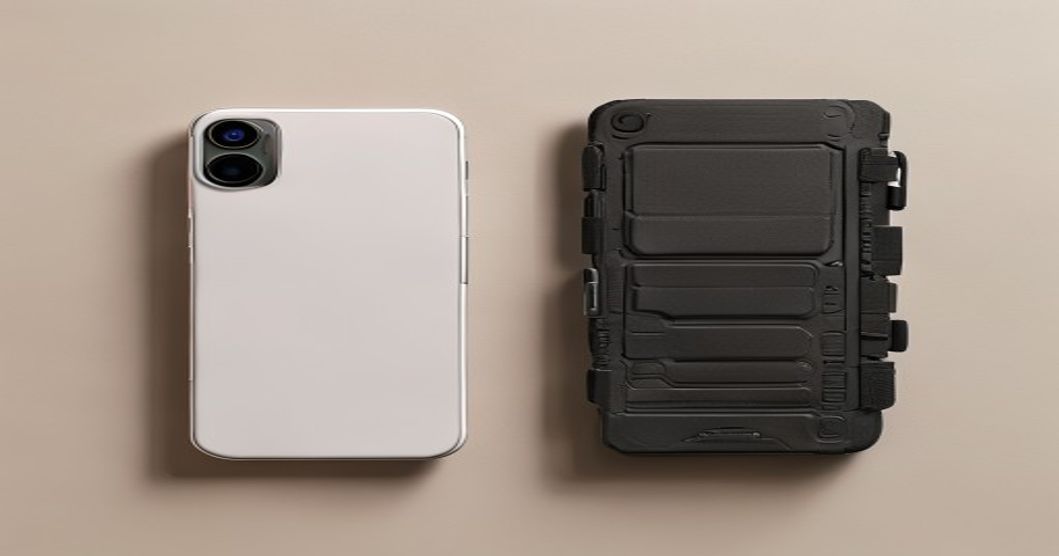
The fundamental tension in phone case design is simple: more protection means more thickness and weight. A military-grade rugged case with reinforced corners and multiple shock-absorbing layers will add noticeable thickness and heft, while a slim TPU case adds minimal bulk. Consider how you realistically use your phone. If it stays on a desk or safely in your bag, slim protection is sufficient. If you work with machinery, climb ladders, or have poor hand grip due to age or dexterity issues, rugged protection is worth the trade-off.
Material Durability Comparison
| Material | Protection Level | Durability | Best For |
|---|---|---|---|
| Silicone | Moderate (soft absorption) | Several years (typically yellows over time) | Budget users, color variety |
| TPU | Good (flexible shock absorption) | Multiple years (tends to stay clear longer than silicone) | Daily users seeking balance |
| Polycarbonate | Moderate-High (rigid shell) | Several years (can crack if dropped hard) | Slim profile, rigid structure |
| Leather (Genuine) | Moderate (requires care) | Long-lasting (improves with age) | Premium users, professional aesthetics |
| Hybrid (TPU + Polycarbonate) | Excellent (dual-layer protection) | Multiple years (generally durable) | Heavy-use environments, maximum protection |
TPU and hybrid cases represent a strong durability-to-cost ratio for most users. Silicone cases look great initially but tend to yellow and degrade over time compared to TPU. Genuine leather justifies its cost through longevity and aesthetic appeal—it won’t crack like plastic and typically looks better as it ages. Avoid fake leather (PU), which tends to peel and crack.
Wireless Charging & Magnetic Compatibility
If you use a wireless charger or a magnetic mount (like a dashboard phone holder or magsafe accessory), verify that your case doesn’t interfere. Thicker cases may reduce charging efficiency, and metal-based materials can block magnetic fields. Most TPU and slim cases work well with both technologies, but rugged cases with aluminum components may require magnetic-compatibility models. Check product specifications or customer reviews mentioning charging performance with your specific case and charger combination.
Camera & Screen Bezel Protection
A quality case should raise the camera module and screen slightly above the case surface to prevent scratches when the phone lies flat. Look for raised bezels and camera ring reinforcement. This simple feature helps prevent costly screen and lens replacements.
- Help prevent expensive screen and body repairs
- Extend device lifespan
- Improve grip (especially important for larger phones)
- Allow personalization and style expression
- Preserve resale value by preventing cosmetic damage
- Provide peace of mind during daily use
- Adds thickness and weight to an otherwise slim device
- Wireless charging may be slower with thick cases
- Cheaper cases may yellow, peel, or degrade over time
- Some cases attract dirt and dust (especially light colors)
- Premium/designer cases can increase total phone cost significantly
- Requires periodic cleaning to prevent buildup
Who This Recommendation Is For (and Who It’s Not)
Best Suited For:
- Active or outdoor workers — construction workers, landscapers, electricians, and anyone in physically demanding jobs need rugged cases
- Parents and caregivers — protect expensive devices from handling mishaps and casual drops in busy households
- Frequent travelers — backpack and bag use expose phones to friction and accidental impacts
- Professionals prioritizing image — leather or premium cases enhance a polished professional appearance
- Accident-prone individuals — known for dropping phones; a rugged case provides protection
Probably Not Necessary For:
- Extremely careful users — if your phone rarely leaves your desk or pocket safely, a minimal case may suffice
- Design enthusiasts — if the naked phone aesthetic is non-negotiable, accept the higher risk or use only a screen protector
- Minimalist travelers — those committed to ultralight packing may prefer the trade-off of added bulk
- High-end device collectors — some prefer displaying the original device design unobstructed (though this reduces protection)
Beyond the Case: Complementary Accessories
A quality phone case is your first line of defense, but a complete protection strategy includes additional layers. A tempered-glass screen protector can help prevent scratches and offers some protection against drops. Consider pairing your case with a wireless charger designed for your specific device to maintain convenient charging even with a slightly thicker case. For those who work hands-free outdoors, a power bank or portable charger ensures your device stays powered during long days away from outlets.
If you frequently drop your phone or use it in wet environments, look for cases that offer water-resistant features. Adding a camera lens protector is another inexpensive safeguard against one of the most vulnerable components on modern phones.
Key Features to Verify Before Buying
Cutout Accuracy: Check that button cutouts align properly with your phone model—misaligned cutouts can make volume and power buttons difficult to use. Read reviews specifically mentioning button responsiveness.
Screen Protector Compatibility: A case with a raised screen bezel is helpful if you also use a screen protector; verify in reviews or product images that both work together well.
Brand Track Record: Established brands with numerous reviews are generally more reliable than new or unknown manufacturers. Look for case brands that specifically design for your phone model rather than “universal” options.
Warranty & Return Policy: Reputable case makers typically offer warranties and returns if the case doesn’t fit or meet expectations. Avoid sellers with no returns or overly complex return processes.
A good phone case is one of the smartest phone investments you can make, protecting a device that costs hundreds of dollars and contains your essential data and communications. The best choice depends entirely on your lifestyle: choose a rugged hybrid case if drops are likely in your environment; go with a slim TPU case if you want everyday protection without bulk; select a premium leather case if durability and aesthetics matter equally. Any of these is better than going caseless. Spend a reasonable amount on a quality case and avoid costly screen replacements later—that’s a worthwhile trade-off.
Final Thoughts
Choosing the right phone case isn’t glamorous, but it’s one of the most practical decisions you’ll make as a smartphone owner. The market is saturated with options, which means you’re not forced to compromise on protection, style, or price—you can find a case that checks all three boxes if you know what trade-offs matter most to you. Whether you prioritize maximum durability, minimal bulk, premium aesthetics, or budget-friendly protection, a well-chosen case will serve your device and your peace of mind for years.