Best Phone Case 2024: Top Picks for Protection & Style
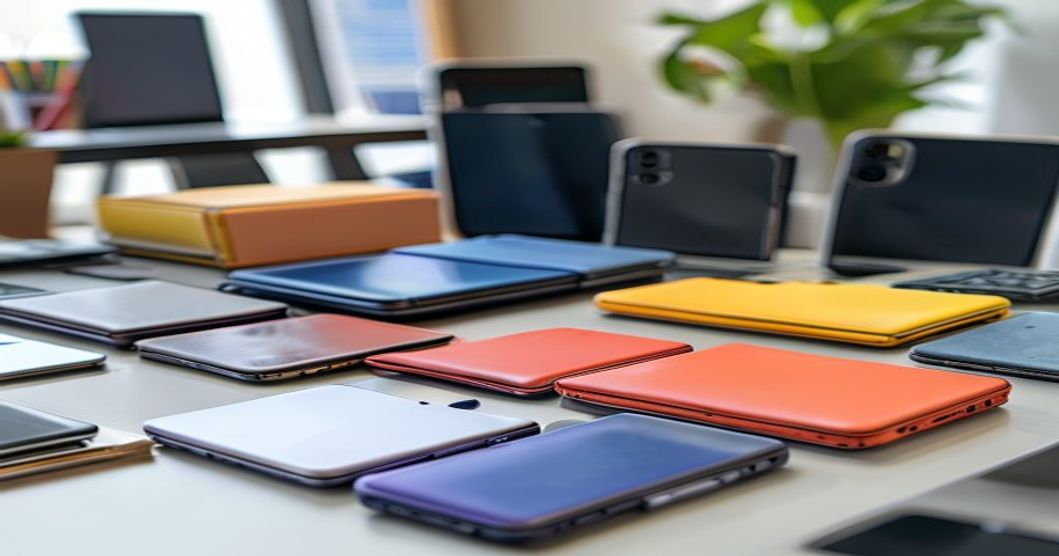
Disclosure: This post may contain affiliate links. We may earn a commission on qualifying purchases at no extra cost to you.
Choosing the right phone case is one of the simplest yet most important decisions you’ll make as a smartphone owner. Your case is the first line of defense against drops, daily scratches, and accidental impacts—yet it’s also a style statement that travels with you every day. With hundreds of options available, from ultra-slim designs to rugged military-grade armor, finding the best phone case depends on balancing protection level, aesthetics, durability, and your personal lifestyle needs.
Top Picks: Find Your Ideal Case Type
Best Pick
Combines a rigid outer shell with shock-absorbing inner padding. Offers excellent drop protection without excessive bulk. Ideal for everyday users who want peace of mind without a heavy case. Features include raised bezels for screen protection, precise cutouts, and often comes in various color options.
Explore on Amazon →
Value Pick
Transparent design showcases your phone’s original finish while providing basic protection. Lightweight and minimalist, perfect if you love your phone’s design. Best for light-use environments (office, home). Adequate for everyday bumps but not ideal for rugged conditions or frequent drops.
Premium Pick
Maximum protection with multi-layer construction, reinforced corners, and sealed edges. Built for construction sites, outdoor adventures, and extreme conditions. Thicker and heavier than standard cases. Overkill for casual users but invaluable if you work in rough environments or are genuinely clumsy.
What to Look for in a Phone Case
Protection Level & Impact Resistance
Phone cases vary in their protective capabilities, with manufacturers typically offering ratings based on controlled drop testing. Generally, entry-level cases provide basic protection, mid-range cases offer enhanced impact resistance, and military-grade cases provide maximum protection in demanding conditions. However, real-world protection depends significantly on the angle of impact and the surface you drop it on. A hybrid case with TPU (thermoplastic polyurethane) interior padding absorbs shock effectively without being overly rigid—rigid plastic alone can sometimes transfer shock rather than absorb it.
Material & Durability
Common case materials include:
- TPU/Silicone: Flexible, excellent shock absorption, prone to yellowing and dust attraction over time with extended use.
- Polycarbonate (Hard Plastic): Slim, lightweight, less protective alone but often used as the outer shell in hybrid designs.
- Leather: Premium aesthetic, develops a nice patina, but offers limited drop protection; best paired with a screen protector.
- Hybrid (TPU + Polycarbonate): Best durability and protection balance; resists yellowing better than pure silicone.
Fit & Cutouts
Precise cutouts are crucial. Loose cases shift during drops, reducing protection effectiveness. Check user reviews specifically mentioning fit—poor-quality cutouts are a common complaint. The case should feel snug without requiring tools to install, and button cutouts should allow for tactile, responsive pressing without excessive resistance.
Screen & Camera Protection
Look for raised lips around the screen to prevent direct contact if your phone lands face-down. Camera bumps should be equally raised to protect your camera lens from scratches. This is one of the most critical features for drop protection but is often overlooked in slim cases.
Phone Case Comparison Table
| Case Type | Protection Level | Thickness | Best For | Price Range |
|---|---|---|---|---|
| Ultra-Slim Clear | Basic | Very thin | Daily office use, low-drop risk | Budget-friendly |
| Hybrid Protective | Excellent | Moderate | Everyday users, balanced protection & style | Mid-range |
| Leather/Premium | Moderate | Slim to moderate | Professional settings, aesthetic priority | Premium |
| Rugged Military-Grade | Maximum | Thick | Outdoor work, extreme conditions | Mid to premium range |
| Wallet/Flip Case | Good | Thick | Screen protection, card storage, traveling | Mid to premium range |
Pros & Cons of Popular Case Styles
- Excellent drop and impact protection
- Raised screen & camera lips prevent direct contact
- Variety of colors and designs available
- Competitively priced across many options
- Easy to install and replace
- Hybrid options balance protection with slim profile
- Add bulk and weight to your phone
- Can obstruct premium phone design
- Cheaper cases may have poor cutout alignment
- Silicone cases can attract dust and may discolor over time
- Requires occasional cleaning
- Some rigid cases may not absorb all drop impacts effectively
Who These Cases Are For (& Who They’re Not)
Best For:
- Commuters & Daily Users: Hybrid cases offer balanced protection and style without unnecessary bulk.
- Tech Enthusiasts Who Own Expensive Phones: Protecting a high-value phone justifies investing in a quality hybrid or rugged case.
- Outdoor & Construction Workers: Military-grade rugged cases are essential for extreme conditions.
- Clumsy or Accident-Prone Users: Drop protection is your primary concern; invest in mid-range hybrid or premium rugged options.
- Travelers & Business Professionals: Wallet cases combine protection with card storage for convenience.
NOT the Best For:
- Minimalists Who Prioritize Aesthetics Over Protection: If you refuse to cover your phone’s design, ultra-slim or clear cases are a compromise, but don’t expect maximum protection.
- Users in Low-Risk Environments: If you work in an office and rarely drop your phone, investing heavily in a rugged case may be unnecessary.
- Buyers on Strict Budgets Looking for One-Time Protection: Very inexpensive cases often have poor cutouts and minimal shock absorption; investing a bit more in mid-range options typically yields better durability and protection.
- People Upgrading Phones Frequently: Buying premium leather or specialty cases for a phone you’ll replace in 1–2 years may not justify the cost.
How to Choose: Decision Framework
Step 1: Assess Your Risk Environment
Ask yourself: Where do I use my phone most? If it’s mostly indoors at a desk, basic protection suffices. If you’re active outdoors, work with tools, or have a history of drops, prioritize hybrid or rugged cases. Consider the surfaces around you—concrete is much less forgiving than carpet.
Step 2: Check Your Phone’s Replacement Cost
A budget phone might justify a lower-priced case; a premium flagship deserves a quality hybrid option. The cost of a case is a smart investment compared to potential repair or replacement expenses.
Step 3: Verify Compatibility & Reviews
Always confirm the case is designed for your exact phone model. Read recent reviews focusing on fit quality, durability reports, and drop-test experiences from real users. Watch out for reviews mentioning screen protector incompatibility or button cutout issues.
Step 4: Balance Protection, Aesthetics & Bulk
Define your non-negotiable priorities. If you love your phone’s design, go slim or clear. If protection is paramount, choose hybrid or rugged. Most users find a sweet spot with mid-range hybrid cases offering good protection without excessive thickness.
Complementary Accessories to Pair with Your Case
A phone case is the foundation, but pairing it with other accessories enhances overall protection and functionality:
- Screen Protectors: Tempered glass or plastic films guard your display. Pair with any case style for comprehensive protection. Explore more in our best phone cases guide.
- Camera Lens Protectors: Separate lens guards protect against scratches on your camera glass, especially useful if your case’s camera lip is minimal.
- Pop Sockets or Phone Rings: Improve grip and reduce accidental drops. Works with any case.
- Portable Chargers & Power Banks: Keep your phone powered throughout the day. Check our best power bank guide for fast charging options.
- Car Mounts & Stands: Safely position your cased phone while driving or watching media.
Common Mistakes to Avoid When Buying a Phone Case
Buying Generic “Universal” Cases: Universal cases have loose fits that shift during impacts, reducing protection. Always choose a model-specific case.
Ignoring Cutout Quality: A case with misaligned power or volume button cutouts ruins daily usability. Read reviews that mention button responsiveness before purchasing.
Choosing Only by Price: The cheapest cases often have poor shock absorption and deteriorate quickly. Mid-range hybrid cases offer far better durability and protection per dollar.
Forgetting About Screen Lip Height: Many slim cases lack adequate raised screen bezels. If you frequently place your phone face-down, verify the screen lip provides meaningful protection by reading product specifications and customer feedback.
Not Considering Heat Buildup: Cases with poor ventilation can trap heat during charging. Ensure your case has cutouts or vents around charging ports and isn’t overly thick.
Maintenance Tips to Extend Your Case’s Life
- Clean Regularly: Wipe your case with a slightly damp cloth periodically to remove dust, dirt, and debris. This prevents scratches from trapped particles.
- Avoid Direct Sunlight: Silicone and colored cases can fade or discolor if exposed to prolonged UV light. Store in a cool, shaded place.
- Inspect for Damage: Check regularly for cracks, loose edges, or padding separation. A compromised case offers diminished protection.
- Remove Periodically: Remove your case occasionally and clean both the case interior and your phone to prevent dust accumulation.
- Replace When Worn: If your case shows visible cracks, has loose edges, or no longer fits snugly, it’s time for a new one. A degraded case is worse than no case.
The best phone case balances protection, durability, and personal style. For most users, a quality hybrid case with shock-absorbing TPU interior and hard plastic exterior delivers the optimal mix—offering excellent drop protection without excessive bulk. Avoid the cheapest options; mid-range cases typically offer the best value for durability and protection. If you work in harsh conditions or frequently drop your phone, invest in a rugged military-grade case. If aesthetics matter most and your risk environment is low, a slim or clear case is acceptable with the trade-off of reduced protection. Always verify compatibility with your exact phone model and read reviews highlighting cutout quality and durability before committing to your purchase. Paired with a screen protector and occasional maintenance, a good case can reliably protect your phone for an extended period.
Explore Top Cases on Amazon →
Frequently Asked Questions
Q: What’s the difference between a case and a screen protector?
A case covers the back, sides, and sometimes front of your phone to protect against drops, impacts, and general wear. A screen protector is a thin film applied to your display to prevent scratches and cracks on the screen surface. Both serve different purposes; using both together provides comprehensive protection.
Q: How do I know if a case will fit my phone?
Always check the product listing for your exact phone model (e.g., iPhone 15 Pro, Samsung Galaxy S24). Cases are manufactured to precise specifications for specific models. Universal cases offer loose fits and poor protection. When in doubt, check recent customer reviews mentioning fit quality.
Q: Are expensive cases always better?
Not necessarily. A premium leather case provides aesthetics but may offer less protection than a moderately-priced hybrid case. Quality and protection depend on materials and design, not price alone. Evaluate cases by protection rating, material durability, and user reviews rather than cost.
Q: Will a thick case damage my phone over time?
No. A well-designed case distributes pressure evenly and won’t harm your device. However, very thick cases with poor ventilation can trap heat during charging. Choose cases from reputable brands with adequate airflow and thermal design to avoid heat accumulation.
Q: What’s the best material for a phone case?
It depends on your priorities. TPU and silicone offer excellent shock absorption but can discolor over time. Polycarbonate plastic is slim and durable. Leather is premium and durable but offers limited drop protection. Hybrid cases (TPU + polycarbonate) are often the best balance, combining flexibility with rigidity for comprehensive protection and durability.
Q: How often should I replace my phone case?
Replace your case when it shows visible cracks, loose edges, or no longer fits snugly. Quality cases typically last a reasonable period depending on use intensity and environmental exposure. Inspect regularly and replace when protection is compromised.