Best Phone Cases 2024: Top Picks for Protection & Style
Disclosure: This post may contain affiliate links. We may earn a commission on qualifying purchases at no extra cost to you.
Best Phone Cases: Complete Guide to Finding Your Perfect Protection
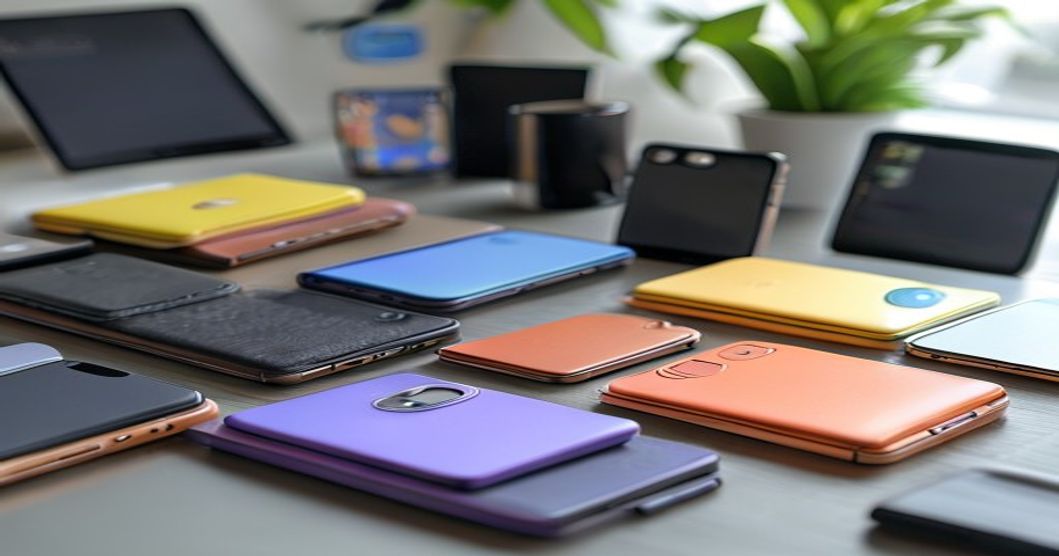
Your smartphone is one of your most-used devices, which is exactly why it needs solid protection. The right phone case does more than just prevent cracks and scratches—it can define how your phone feels in hand, how easily you can access features, and whether you’re confident enough to set it down on a coffee table without stress. After years of reviewing mobile accessories, I’ve learned that the “best” case isn’t always the most expensive or the most heavily-armored. It’s the one that matches your actual lifestyle.
Top Picks by Use Case
Top Choice
Hybrid cases pair a rigid polycarbonate outer shell with a flexible TPU inner layer, combining hard protection against impact with shock absorption. These cases protect against both drops and daily bumps, making them ideal for people who work in construction, handle their phones while gardening, or have experienced accidental phone damage. The tradeoff: they add noticeable bulk and weight.
Explore on Amazon →
Best Value
Silicone offers the Goldilocks zone—genuine protection without excessive bulk. Modern silicone cases provide impact absorption, grip without being sticky, and work seamlessly with wireless chargers. They’re available in hundreds of colors, feel premium, and are designed to resist degradation over typical use. Perfect for people who want real protection but also want their phone to be portable and functional.
Premium Pick
If you invested in a phone with a beautiful color or design, a clear case or minimalist frame keeps that aesthetic intact while providing basic protection against scratches. These cases are ultra-slim, lightweight, and wireless-charger-friendly, but they offer less drop protection than silicone or hybrid cases. Best for desk workers or people who rarely drop their phones.
Understanding Phone Case Materials
The material of your case determines its feel, durability, protection level, and how well it integrates with your daily life. Here are the materials you’ll encounter most often:
Silicone
Silicone is the most popular choice across manufacturers because it strikes a good balance. It’s soft enough to provide genuine shock absorption, non-sticky unlike older rubber cases, and is designed to resist yellowing over time. Quality silicone cases are typically expected to maintain their integrity through several years of daily use. They work with wireless chargers, feel good in hand, and come in nearly any color. The downside is that they don’t protect the phone’s corners as comprehensively as rigid materials—a direct corner-first drop might still cause damage.
TPU (Thermoplastic Polyurethane)
TPU is a flexible plastic that combines toughness with flexibility. It’s often used in the inner layers of hybrid cases or as a standalone material for slim cases. TPU cases are thinner than silicone while maintaining reasonable protection, but they can become sticky or cloudy with age, particularly in hot conditions. They’re an excellent choice if you want maximum thinness without completely sacrificing drop protection.
Polycarbonate (Hard Plastic)
Polycarbonate is rigid and durable, perfect for the outer shell of hybrid cases. It resists impacts by being stiff enough to distribute force across the entire case rather than absorbing it, and it’s designed to be more durable than softer materials. However, as a standalone case material it can be brittle—polycarbonate-only cases may shatter if dropped at certain angles. For this reason, it’s best paired with a flexible inner layer.
Leather or Faux Leather
Premium leather cases offer excellent aesthetics and durability, developing a patina over time. However, they’re expensive and don’t provide as much drop protection as silicone or hybrid materials. Faux leather is a more affordable alternative but may show signs of wear with regular use. These are best for people who value style over maximum protection and keep their phones in structured bags or pockets.
| Material | Protection Level | Thickness | Best For |
|---|---|---|---|
| Silicone | Excellent | Medium | Everyday use, wireless charging |
| TPU | Good | Thin | Slim phones, minimalists |
| Hybrid (PC + TPU) | Excellent+ | Thick | Heavy-use, outdoor, drops |
| Leather | Fair–Good | Thin | Premium aesthetics, light use |
| Clear/Transparent | Fair | Very Thin | Show-off design, desk workers |
Features That Actually Matter
Raised Bezels and Screen Protection
A case with raised edges around the screen and camera protects these vulnerable areas when your phone is set face-down or gets bumped. This is one of the most underrated features—many screen protectors fail because the case doesn’t keep them properly seated. Look for cases where the screen bezel is raised compared to the actual glass surface.
Port Cutouts and Button Access
Poorly-designed cutouts can make it hard to use your charging port or hit buttons precisely. Before buying, check reviews specifically mentioning button responsiveness and charging access. Some cases require you to remove them to charge or use your headphone jack—a major frustration if you charge wirelessly and want quick access to your port.
Grip Texture
A case’s grip directly impacts how often you’ll drop your phone. Smooth silicone grips can be slippery when wet. Textured or matte finishes (frosted, dimpled, or line-pattern) provide better grip compared to smooth surfaces. If you have small hands or work in wet conditions, prioritize grip texture over visual aesthetics.
Wireless Charging Compatibility
If you use a wireless charger, verify that your case doesn’t interfere. Most modern cases work with wireless chargers, but some thick or metal-component cases may cause compatibility issues. Check product reviews for real-world wireless charging performance before buying.
- Genuine protection against drops and impacts
- Prevents scratches that affect resale value
- Better grip means fewer accidental drops
- Personalize your phone’s look with colors/styles
- Quality cases designed to last multiple years
- Works with wireless chargers and screen protectors
- Cases add weight and bulk to your phone
- Can potentially interfere with certain wireless chargers
- Quality cases typically cost in the mid-range, budget cases may wear quickly
- Thick cases reduce phone’s portability
- Silicone can accumulate lint and dust over time
- Wrong case fit can leave gaps or expose areas
How to Choose the Right Case for Your Lifestyle
The “best” case depends entirely on your situation. Ask yourself these questions:
How Often Do You Drop Your Phone?
If you have a track record of accidental drops, invest in a hybrid case with excellent impact protection. If drops are rare, a slim silicone or TPU case provides adequate protection without the bulk. Be honest with yourself—this is the biggest factor in your decision.
Do You Use a Wireless Charger?
This eliminates very thick cases and any case with metal components. Most modern silicone and thin TPU cases are designed to work with wireless chargers. If wireless charging is important to you, prioritize cases with confirmed wireless charger compatibility.
How Do You Carry Your Phone?
If it stays in a structured bag or desk, you can get away with a thinner case. If it lives in your pocket, a case with good grip and sturdy raised bezels is essential. If you work outdoors or in a rugged environment, hybrid is a strong choice.
What’s Your Phone Worth?
If you’re protecting a flagship phone, investing in a quality case can be cost-effective—a case might help prevent a costly repair. For a mid-range phone, a case from a reputable brand in the budget-to-mid range usually works well.
Who This Article Is For (and Not For)
This Guide Helps You If:
- You just bought a new phone and need immediate protection
- Your current case is damaged or worn out
- You want to find a case that fits your specific phone model and lifestyle
- You’re unsure about material differences or protection levels
- You want to balance protection with style, slim profile, or wireless charging
- You’re comparing cases across different price points
This Might Not Be For You If:
- You only want military-grade protection and don’t care about slim profile—you may need specialized rugged cases beyond standard retail options
- You prefer brand-specific solutions exclusively and won’t consider third-party manufacturers
- You’re looking for a case that completely eliminates all risk of phone damage—no case can guarantee this
- You need a case with highly specialized features like full kickstand functionality combined with maximum drop protection (these are rarer and more expensive)
Material Durability Over Time
A quality case should provide protection throughout your phone’s typical lifespan or for several years of daily use. Here’s what to expect:
Silicone: Designed to resist yellowing and degradation. Quality silicone typically maintains its grip and flexibility through several years of use. Budget silicone may show wear sooner.
TPU: Can become tacky in high heat and may show signs of cloudiness over time. Still functional, just potentially less attractive. Generally considered less durable than quality silicone long-term.
Polycarbonate: Very durable but can become brittle if exposed to UV light. Hard shells in hybrid cases typically outlast the TPU inner layers.
Leather: Genuine leather ages and develops character but requires care. Faux leather often shows wear within regular use timeframes.
If you plan to keep your phone for several years, a premium silicone case or hybrid case from a reputable brand is typically a solid investment.
Comparing Case Types: When to Choose What
You’ve learned about materials—now let’s talk about case styles and when each makes sense:
Folio/Wallet Cases: These have a fold-out cover that can hold cards. They offer decent protection but add significant bulk and make one-handed use difficult. Best for people who want to replace their wallet, willing to sacrifice portability.
Bumpers (Frame Only): These protect edges and corners but leave the back completely exposed. They’re ultra-slim and perfect for people who won’t drop their phones and want minimal bulk. Not recommended if protection is a priority.
Ring or Kickstand Cases: Built-in rings or stands make viewing content and taking photos easier. They add minimal weight and can be genuinely useful. The tradeoff: the ring or stand itself can collect debris and may catch when your phone is in a pocket.
OtterBox-Style Heavy Armor: These cases are designed for heavy protection but add significant weight and thickness. Best for people in demanding professions (construction, outdoor work) or those with a documented pattern of phone damage.
Price vs. Protection: What You Actually Need to Spend
You don’t need to spend extensively on a case to get genuine protection. Here’s what different price points typically deliver:
Budget Range: Basic silicone or TPU protection. Works fine for careful users but materials may have shorter lifespans. Adequate for mid-range phones.
Mid-Range: Quality silicone or thin hybrid cases. This is often considered the sweet spot for most people—genuine protection, reasonable durability, good material quality. Recommended for anyone wanting solid protection without overspending.
Premium Range: High-end silicone with superior finishing, premium hybrid cases, leather options. Better durability and aesthetics compared to budget options, though protection gains may be modest. Worth considering if you care about case appearance or plan to keep your phone for several years.
Luxury/Specialty Range: Designer cases, highly specialized materials, heavy-duty armor. Unless you have specific professional needs or extreme durability requirements, spending at this level may have diminishing returns on actual protection benefit.
For most people, a mid-range case from an established manufacturer provides a good balance of protection, durability, and value.
Finding the Right Fit for Your Specific Phone
This is critical: cases are engineered with precision cutouts for specific phone models. Using a case designed for a different model—even a slightly different generation of the same phone—can result in:
- Buttons that don’t click properly or are hard to access
- Camera cutouts that don’t align, leaving lens exposed
- Charging port access issues or inability to use the port
- Gaps between case and phone that collect dust
- Screen bezel misalignment that prevents tempered glass screen protectors from seating properly
Always verify your exact phone model (including year/generation) matches the case listing. When in doubt, check recent reviews from users with your specific phone to confirm fitment.
You might also explore related accessories. If you’re investing in a quality case, consider pairing it with a quality power bank for all-day device protection, and check our guide to the best power banks 2024 to complement your mobile setup.
The best phone case balances three things: genuine protection for your device, durability that lasts through typical use, and a form factor that fits your actual lifestyle. For most people, a quality silicone case from an established manufacturer hits all three marks. If you need maximum drop protection, hybrid cases are worth the extra bulk and cost. If you prioritize wireless charging and slim profile, thin TPU is your answer. The worst case is buying the cheapest option available—inexpensive cases often degrade quickly and may not protect vulnerable areas like corners where phones typically take the most impact. Your smartphone is valuable, and cases are reasonably priced, so investing in reasonable quality is smart.
Browse Cases on Amazon →
Disclosure: This article contains affiliate links. As an Amazon Associate I earn from qualifying purchases. I only recommend products I believe deliver genuine value. All opinions are my own based on product research and analysis of real user feedback.