Best Rugged Phone Case for Construction Workers: A No-Nonsense Buyer’s Guide
Disclosure: This post may contain affiliate links. We may earn a commission on qualifying purchases at no extra cost to you.
Here’s what most people get wrong about rugged phone cases for construction work: they think “tough” means “heavy and bulky.” Wrong. A 400-gram slab of rubber that makes your phone impossible to handle on a ladder is worse than a lighter case that actually stays in your hand. Real durability is about material science, impact distribution, and smart design—not just thickness.
Top Pick
For anyone spending 6+ hours daily on job sites with heavy falls or tool impacts. These cases use shock-absorption technology (typically TPU corners with reinforced bumpers) and pass drop tests from 4+ feet onto concrete. The belt clip actually holds weight without twisting away from your body.
Best Value
For roofers, landscapers, and anyone near water or extreme weather. IP67-rated cases seal against dust, rain, and submersion. Sealed port covers (USB-C, charging port) are not optional—they’re the difference between “weatherproof” marketing and actual protection. Price-wise, you’re paying for reliability, not luxury branding.
Premium Pick
For electricians and HVAC pros who need precise finger control and one-handed use. These sacrifice some bulk for ergonomic grips and thinner profiles (under 180 grams). They still meet military-drop standards but use smarter material placement instead of blanket thickness. Great if you’re climbing, working in tight spaces, or need to swipe and tap constantly.
What Actually Matters in a Construction Phone Case
Before you start scrolling through lists of random cases, nail down what your job actually demands. A roofer’s priorities are completely different from a site supervisor’s. The roofer is dropping the phone from 20 feet and dealing with rain; the supervisor is mostly worried about dust and signal reliability on the job site.
Impact Protection Levels
Most rugged cases claim “military-grade” drop protection. That’s vague. Look for specific metrics: drop-tested from how many feet onto what surface? Concrete is the standard. Four feet onto concrete is the baseline; 6 feet is better. Cases use a two-layer system—an outer rigid shell (usually polycarbonate or reinforced plastic) plus TPU or silicone bumpers at the corners and edges. This distributes impact energy rather than concentrating it at one point. The bumpers also provide grip, which matters more than people realize when your hands are sweaty or wearing work gloves.
Dust and Water Sealing
IP67 means the case keeps out dust during 30 minutes at 1 meter of water submersion. That’s “accidental submersion,” not “waterproof underwater camera.” IP68 extends that to depths beyond 1 meter or longer durations. For construction, IP67 handles washdowns, puddles, and rain. IP68 is peace of mind if you’re working near pools, rivers, or in constant rain environments. The real test: are the USB-C port, speaker grilles, and charging contacts actually sealed, or just the back? Many cases claim water resistance but leave the ports exposed. That’s useless.
Belt Clip Functionality
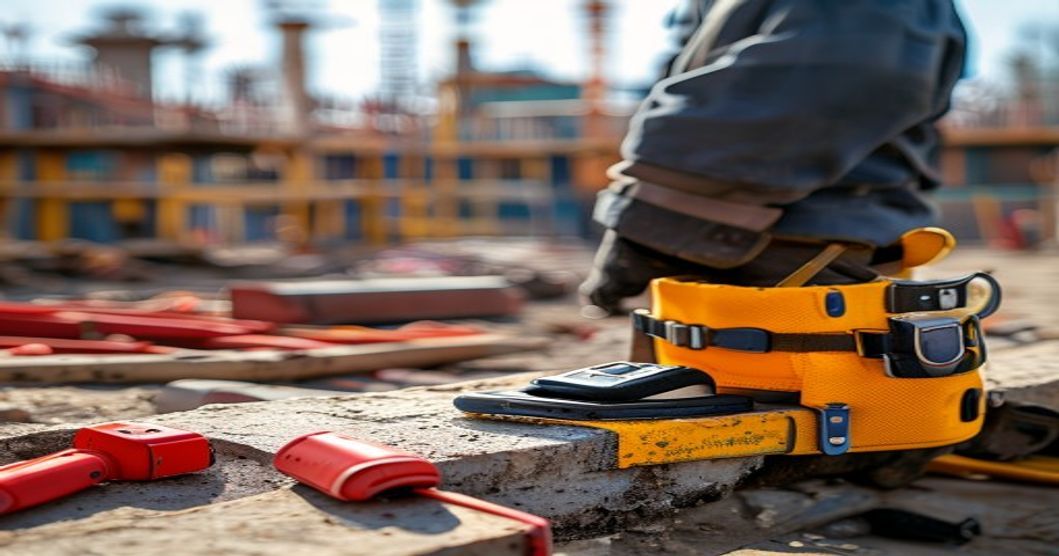
A belt clip is not just convenience—it’s a safety measure. Your phone stays tethered to your body instead of rolling off a platform or into mud. The clip itself needs to be secure (no wobble), sized for standard 2-inch work belts, and load-tested for at least 5+ pounds of pull force. Some clips rotate 360 degrees, which is nice for switching between vertical and horizontal orientation. Others are fixed; fixed clips are simpler and more reliable. Check if the clip is replaceable—wear and tear happen, and you shouldn’t need a new case if the clip gets bent.
Weight and Usability
A case that weighs 250 grams or more on an 8-hour shift becomes annoying. You’ll feel it in your pocket, on your belt, or in your hand. Modern materials (carbon-fiber composites, high-strength polymers) achieve durability at lower weights than older TPU-only designs. The tradeoff: they cost a bit more. But if your case makes you move slower, reach less often, or grip worse because it’s clunky, protection doesn’t matter—you’ll stop using it or drop it more often from bad handling. Also consider texture: a slick case is harder to grip with gloved hands or wet fingers. Textured or rubberized sides are worth the minor cosmetic trade-off.
Comparison: Common Construction Case Styles
| Case Style | Typical Weight | Best For | Typical Price Range |
|---|---|---|---|
| Two-layer TPU + Polycarbonate | 150–200g | High-drop environments, general construction | $25–$45 |
| Heavy-Duty Carbon Fiber Composite | 120–170g | Precision work, climbing, tight spaces | $45–$70 |
| Sealed / Waterproof Hard Case | 180–220g | Water-heavy jobs, washdowns, rain | $30–$60 |
| Modular / Customizable | 200–250g | Multi-purpose, evolving needs | $50–$85 |
How to Actually Test a Case Before Buying
Online specs tell you the design; real life tells you if it works. Here’s how to avoid a bad pick:
1. Read job-site reviews, not just general tech reviews. Construction workers leave detailed feedback about what breaks first, whether the clip loosens, if the grip fails in sweat or dust. Search for reviews mentioning your actual job type: “electrician”, “roofing”, “HVAC”, “landscaping.” Generic tech reviewers don’t spend 40 hours a week on a ladder.
2. Check the port seals specifically. Ask yourself: can you actually open the charging port with your work gloves on? Do port covers feel like they’ll break after 50 open-close cycles? A rubber flap is cheaper but wears out. A threaded cap lasts longer but takes longer to access. Know which trade-off you’re making.
3. Test grip with your actual gloves or hands. If you work in wet conditions, a polished plastic case becomes a bar of soap. Textured or rubberized cases hold up. This is not something you can judge from a product photo.
4. Verify the belt clip attachment isn’t glued—it should be bolted or screwed. Glued clips eventually fail. Removable or replaceable clips mean the case lasts years, not months.
The Belt Clip Myth: Not All Clips Are Equal
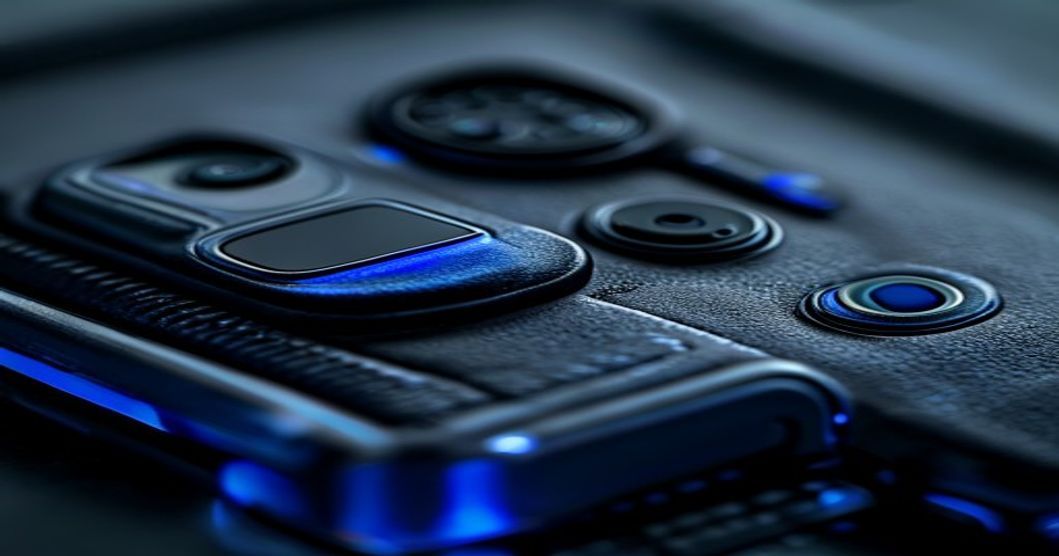
This is where a lot of cheap cases fail. The belt clip is treated like an afterthought—a thin piece of plastic glued to the back. Real clips should be:
- Bolted to the case, not glued. Look for visible screws or rivets. These don’t fail from repeated attachment and detachment.
- Sized for standard 2-inch tool belts. A clip that’s too loose spins around; too tight tears the belt. Test the fit before committing.
- Load-rated for actual weight. Your case + phone might be 300–400 grams. The clip should handle 5+ pounds of vertical pull without bending or twisting.
- Replaceable as a component. Clips wear out faster than the case itself. Buy a spare or make sure replacements are available.
If you’re spending hours on scaffolding or working at height, a bad clip is a broken phone waiting to happen. Pay the extra $10 for a quality clip.
Real-World Trade-offs to Understand
No case is perfect. Everything is a compromise.
Thick vs. Thin: Thicker cases absorb more impact but reduce screen visibility, make one-handed use harder, and feel heavier. Thinner cases preserve usability but rely on smarter material placement instead of blanket rubber.
Sealed vs. Breathable: Sealed cases prevent dust and water but trap heat on hot job sites. Breathable cases (mesh or vent openings) stay cooler but let some dust through. Pick based on your climate and job type.
Style vs. Function: Bright colors (orange, yellow) are easier to spot on a job site. Black and dark colors hide dust and scratches but are harder to find. This is not trivial when you’re on a rooftop at sunset.
Price vs. Longevity: A $40 case might last 18 months of heavy use; a $65 case might last 3 years. Calculate your cost-per-month. If you replace your phone every 2 years, the expensive case wins. If you upgrade every year, the mid-range option is smarter.
Integration with Other Accessories
Your phone case doesn’t work in isolation. If you’re capturing time-lapse video on the job site, you might pair your case with a phone gimbal stabilizer (see our guide on phone gimbal stabilizers for shooting stability). Most heavy-duty cases work fine with articulating mounts. If you’re into mobile photography during inspections, adding a phone lens filter kit lets you shoot through dust and glare while your case protects the device underneath. For breaks or documentation, a phone kickstand for desk is handy for hands-free reference at the job trailer. None of these conflict with a rugged belt-clip case—they complement it.
Who This Is For (and Who It’s Not)
- Construction crews (framing, concrete, roofing)
- Field technicians (HVAC, electrical, plumbing)
- Outdoor trades (landscaping, tree service)
- Site managers who work hands-on
- Anyone who drops their phone regularly
- Jobs with water exposure or dust
- Office workers with light use
- People who prioritize thinness over protection
- Those who hate visible bulk or added weight
- High-end phone collectors (the case hides the phone)
- Users in low-impact, indoor environments
- Anyone uncomfortable with a belt clip aesthetic
What to Check Before You Click Buy
Avoid decision regret. Run through this checklist:
- Exact phone model compatibility. “Fits iPhone 14 and 14 Pro” is not the same as “Fits iPhone 14.” Check the exact spec.
- IP rating (is it IP67 at minimum?). If water sealing is important and the case is only IP54, it’s not fit for the job.
- Actual weight in grams (not “lightweight”). Don’t guess. Check the listing.
- Belt clip material and attachment method. Plastic clip glued on? Pass. Metal or reinforced clip with bolts? Good.
- Port cover type. Rubber flaps or threaded caps? Does it slow down charging or calls?
- Warranty and return policy. Real manufacturers back their cases for 1–2 years or offer 30-day returns.
- Reviews mentioning your specific job type. “Electrician loved it” is more useful than “great phone case.”
The best rugged phone case for construction balances real protection (drop-tested, sealed ports, textured grip) with actual usability (under 200 grams, functional belt clip, accessible buttons). Avoid the mistake of buying the “toughest” case that turns into a brick you never carry. Instead, pick one that matches your specific job hazards—water exposure, height risk, dust, or general abuse—and clips securely to your belt so you actually use it. Read reviews from people doing your job, check the clip attachment method, and verify water sealing specs. A $40–$60 case from a manufacturer who backs their work beats a $20 bargain that fails after two months.
For shopping, check current availability and pricing on Amazon or your local tool supplier. As an Amazon Associate I earn from qualifying purchases.
Final Thoughts on Protection vs. Function
The smartest construction workers treat their phone like a tool, not a luxury item. That means a case is non-negotiable. But a case that’s so tough you hate carrying it defeats the purpose. You’ll slip it in a desk drawer and work phone-less, which leads to dropped calls, missed messages, or actual emergencies missed. A good rugged case disappears into your routine. You don’t think about it. It just protects your phone silently while you get work done.
The belt clip isn’t flashy, but it’s the difference between a phone that’s with you and a phone that’s in your truck. That matters on a job site. Pick one, test the fit against your actual work belt, and move on. Your phone will thank you when it hits concrete instead of breaking into a thousand pieces.