Best Phone Cases 2024: Top Picks for Protection & Style
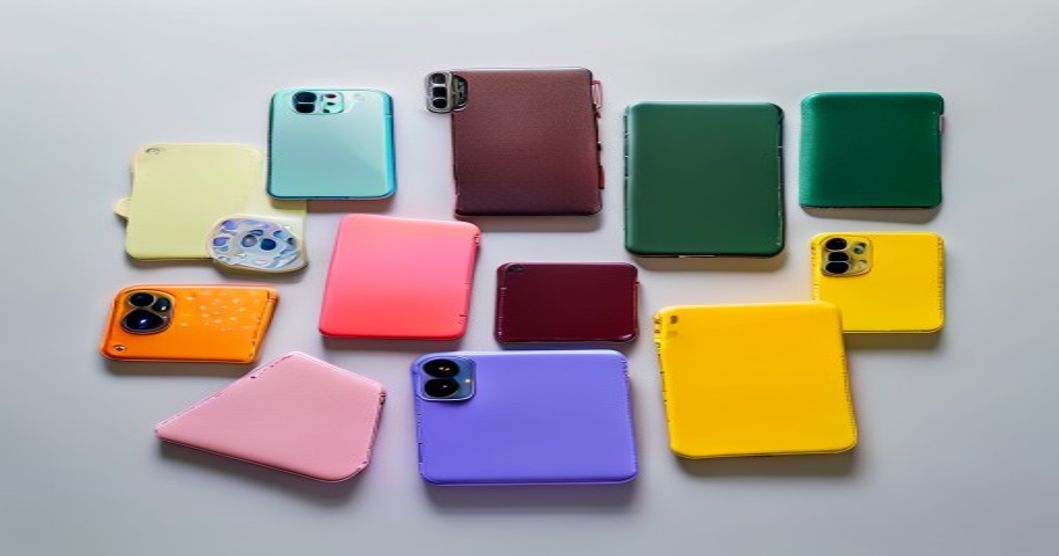
Your smartphone is one of your most-used devices—and often one of the priciest. A quality phone case is the simplest, cheapest insurance against drops, scratches, and daily wear. But with hundreds of options ranging from ultra-thin and minimal to heavy-duty rugged designs, choosing the right case means balancing protection, style, grip, and practicality for YOUR lifestyle.
This guide breaks down the best phone case types, compares key features, and helps you pick the one that actually fits how you use your phone—not just what looks good in a marketing photo.
Top Picks: Our Recommended Phone Case Types
Top Choice
TPU (thermoplastic polyurethane) or silicone-hybrid cases offer the sweet spot for most users: they absorb impact shocks, resist scratching, and come in endless colors and designs. They’re easy to grip, work with wireless chargers, and don’t add extreme bulk.
Best for: Everyday users who want real protection without a bulky case; people who care about phone aesthetics and color variety.
Best Value
Clear cases let you show off your phone’s original color and design while adding drop protection. Modern hybrid clear cases (hard plastic back with soft TPU bumper) generally resist yellowing better than older versions, though some discoloration over time is typical with prolonged UV exposure.
Best for: People who love their phone’s aesthetic and want visible proof of protection; those with newer phones they want to display.
Premium Protection
Multi-layer rugged cases stack hard plastic (polycarbonate) with thick TPU bumpers, raised bezels, and sometimes corner reinforcement. They add noticeable bulk and weight but are designed to provide robust drop protection in demanding conditions.
Best for: Construction workers, outdoor enthusiasts, clumsy phone users, and anyone in high-risk drop environments. Worth the trade-off in thickness.
Comparison: Phone Case Materials at a Glance
| Material | Drop Protection | Grip & Feel | Bulk Factor | Best For |
|---|---|---|---|---|
| Silicone | Moderate (shock absorption) | Excellent, grippy | Minimal | Daily protection + comfort |
| TPU (Thermoplastic) | Moderate to Good | Good, softer feel | Minimal to light | Balanced protection & style |
| Polycarbonate (Hard Plastic) | Good (impact resistance) | Smooth but slippery | Minimal | Clear cases, slim aesthetics |
| Leather (Genuine or Vegan) | Moderate (scratch protection) | Premium feel, grippy | Minimal | Premium look, professional use |
| Hybrid/Multi-Layer | Excellent (reinforced corners) | Good grip, chunky | Significant | Heavy-duty, rugged work |
Key Features to Evaluate
Drop Protection & Reinforcement
The main job of any case is surviving a fall. Look for cases with raised bezels (edges that stick up higher than the screen and camera lens) to prevent direct impact when dropped face-down or back-down. Some premium cases add corner reinforcement with extra-thick TPU in the four corners, where drops typically concentrate force.
A good test: Check if the case’s reviews mention real-world durability experiences. Be skeptical of cases that claim "military-grade" or "drop-tested" without specific details—instead, read user feedback about actual drops and survival rates to get a realistic sense of protection levels.
Wireless Charging Compatibility
If you use wireless charging (Qi chargers are now standard on most phones), case thickness matters. Most modern wireless chargers work with cases of various thicknesses, though very thick cases may reduce efficiency. Metal accents, reinforced aluminum frames, or magnetic attachments can interfere—check product specs. A good rule: if the listing doesn’t mention wireless charging compatibility, assume it’s fine; if they specifically warn against it, skip the case.
Grip & Tactile Comfort
A case that feels slippery is a case you’ll drop. Silicone and TPU offer the best grip naturally; hard polycarbonate cases are smooth and can feel slick. If you prefer minimalism but worry about grip, look for hybrid cases with textured back panels or soft-touch finishes. The feel matters as much as the protection—a case you’re comfortable holding is one that prevents accidents.
Dust & Port Access
Quality cases have precise cutouts for charging ports, speakers, and buttons. Check reviews for complaints about tight charging access (which can damage your cable or port over time) or muffled speakers. Some cases cover mic holes slightly, affecting call clarity. This is easy to spot in user photos—look for complaints about "charging port too tight" or "speaker muffled."
Comparison: Case Types Side by Side
| Case Type | Protection Level | Style Options | Price Range (Typical) | Who It’s For |
|---|---|---|---|---|
| Slim/Minimal | Light (scratches mainly) | High variety, thin designs | Check current pricing | Design-focused, careful users |
| Standard TPU/Silicone | Good (everyday drops) | Excellent variety | Check current pricing | Most daily users |
| Clear (Hybrid) | Good (dual-layer) | Limited (mostly clear) | Check current pricing | Show-off your design |
| Leather/Premium | Moderate (scratch protection) | Limited, premium feels | Check current pricing | Professional, aesthetic focus |
| Rugged/Multi-Layer | Excellent (high drops) | Limited, utilitarian | Check current pricing | Rugged workers, clumsy users |
Pros & Cons of Popular Phone Cases
- TPU cases offer the best balance of protection, grip, and style
- Silicone cases are affordable, durable, and come in endless colors
- Clear cases let you display your phone’s original design
- Wireless charging compatibility on most modern cases
- Wide price range means options for every budget
- Easy to swap out seasonally or update your phone’s look
- Hybrid multi-layer cases provide maximum protection for extreme users
- Clear cases may yellow and discolor over time with prolonged UV exposure
- Silicone cases stain easily and attract lint/dust
- Rugged cases add significant bulk and weight to your phone
- Some cheap cases have poor port cutouts that block charging cables
- Hard polycarbonate cases can crack if dropped at certain angles
- Leather cases require maintenance and can show wear
- No case can protect against screen damage—you may still need a screen protector
Who It’s For (& Who It’s NOT)
This Phone Case Guide Is Perfect For You If:
- You’re tired of your screen cracking or your phone sliding off tables
- You want real protection without carrying a bulky brick
- You care about style and want your case to reflect your personal aesthetic
- You use wireless charging and need a case that doesn’t interfere
- You’re deciding between protection levels and want to understand the trade-offs
- You’ve had a bad case experience (tight ports, degrading finish) and want to avoid repeating it
This Guide May NOT Be For You If:
- You work in an extreme environment (active demolition, saltwater submersion) and need specialized durability—you’d benefit from a niche rugged brand review
- You use a wired headphone adapter and only have one USB-C port—some cases can make that setup tight
- You’re looking for a case with a built-in screen protector; this guide focuses on body cases only
- You refuse any case that adds even minimal thickness; all protective cases add some thickness
- You want a case for a very old or niche phone model with limited case availability
How to Choose the Right Phone Case for You
Step 1: Assess Your Lifestyle
Ask yourself: How often do I drop my phone? Do I work with my hands? Am I careful or clumsy? If you frequently drop your phone, a rugged multi-layer case is worth the bulk. If drops are rare, a standard TPU case gives you adequate peace of mind without the weight.
Step 2: Prioritize Features
Make a short list: Protection, style, grip, and wireless charging compatibility. Rank them. If style is your #1 priority, a clear case or colorful TPU case is better than a bulky rugged option. If protection is non-negotiable, accept the bulk and go hybrid.
Step 3: Check Material & Reviews
Read recent reviews (within the last month, if possible) and look for comments on port tightness, yellowing (for clear cases), grip, and durability. User photos in reviews are goldmines—they show real aging, discoloration, and wear patterns you won’t see in official product shots.
Step 4: Match to Your Phone Model
This is critical: a case designed for iPhone 15 won’t fit iPhone 14 (different dimensions), and a case for Samsung Galaxy S24 won’t fit S23. Always verify exact compatibility in the product listing.
Step 5: Plan for Replacement
Cases wear out. Budget for replacing your case periodically—typically every 1–2 years—especially clear cases that discolor or any case that develops cracks. A budget-conscious replacement every couple years is cheaper than a screen repair.
Related Accessories to Consider Pairing with Your Case
Once you’ve chosen your case, you might also want to explore complementary phone accessories. Check out our guide on the best power banks 2024 to keep your phone charged on the go, and our review of best wireless chargers 2024 to make charging effortless. If you’re adding a screen protector to your case setup, those guides will help you find the best combo for complete peace of mind. For the full breakdown of phone case options, see our comprehensive best phone cases 2024 guide.
Final Recommendation & Next Steps
The best phone case is one that matches your actual lifestyle—not the lifestyle you wish you had. If you’re an everyday user who occasionally drops their phone, a well-reviewed TPU or silicone case in your favorite color is the smart move: it protects, looks great, and is budget-friendly. If you’re accident-prone or work in rugged conditions, a multi-layer hybrid case is worth the extra bulk and cost. For those who love their phone’s design, a high-quality hybrid clear case gives you visibility with dual-layer protection.
The key is checking current reviews for port fit, wireless charging compatibility, and material durability before you buy. A case with strong ratings and detailed user photos typically indicates quality, whereas vague marketing claims alone are not a reliable indicator.
Ready to upgrade? Head to your preferred retailer and filter cases by your phone model and material preference. Look for ones with substantial review counts and positive ratings, and skim the lower-rated reviews to spot recurring issues like tight ports or fast yellowing. You’ll find the right fit in minutes.
Disclosure: This article contains affiliate links. When you click a link and make a purchase through Amazon Associates or other retail partners, I may earn a small commission at no extra cost to you. As an Amazon Associate I earn from qualifying purchases. This helps fund this site and lets us continue providing honest reviews. Thank you for your support!